
Staff are proposing an 8.6-per-cent property tax increase for 2026, as municipalities across Canada continue to face significant financial pressures.
At the November 4 Committee of the Whole meeting, municipal staff presented the proposed draft operational budget for 2026, totalling roughly $114 million. This will be followed by a presentation of the 2026 draft projects budget at the November 18 Committee of the Whole meeting. Then Council will begin weighing in with input at the December 2 Council meeting.
Our budget is built through a rigorous process where we balance fiscal responsibility with the needs of the community. Balancing the needs of today with collecting an appropriate amount for future needs, including asset renewal, is core to our budget process. You can find out more about the basics of the municipal budgeting process at whistler.ca.
This year, we focused on limiting growth in spending on standard municipal services, as we look for opportunities to expand and diversify incoming revenue. We are working to increase non-tax revenues by adjusting parking rates, and revisiting facility rental and service fees, with fairness and equity in mind.
We also continue to pursue funding opportunities from senior levels of government. Canada’s population growth is driving demand for housing, infrastructure, and municipal services, but municipalities continue to receive only eight to 10 cents of every tax dollar.
Locally, there are also significant pressures. Three “big rocks” are in our immediate forecast, worth a total of $16 million next year. These include:
- Public transit: Service will be expanded by approximately 6,000 hours in 2026-27, of which the RMOW covers 47 per cent of the cost. This expansion reflects community feedback and growing ridership, while supporting our work to reduce greenhouse gas emissions and meet our climate action goals. We will also see an increase in municipal transit costs related to the end of the Safe Restart Transit Grant funds that have contributed $1 million annually to our transit costs.
- Policing costs: Once Whistler’s population exceeds 15,000, expected in the 2026 Census, the RMOW’s share of local RCMP costs increases from 70 to 90 per cent, per the federal cost sharing agreement.
- Firefighting: We are shifting from a paid-on-call staffing model to a two-person, 24-hour-a-day staffed firefighter model at the Spring Creek Fire Hall to support our wildfire mitigation efforts and general community safety.
This year’s proposed budget focuses on cost savings over maintaining service levels. In preparing the 2026 draft budget, municipal staff were given the following starting guidance:
- No growth in staff time
- Hold non-payroll expenses at zero growth
- Offset inflation through carefully selected service changes, or in some places, equipment reductions
- Document any operational or service level impacts resulting from these constraints
This is a proposed working draft, which will ultimately continue to be shaped by community input. Council has the final say on the 2026 budget.
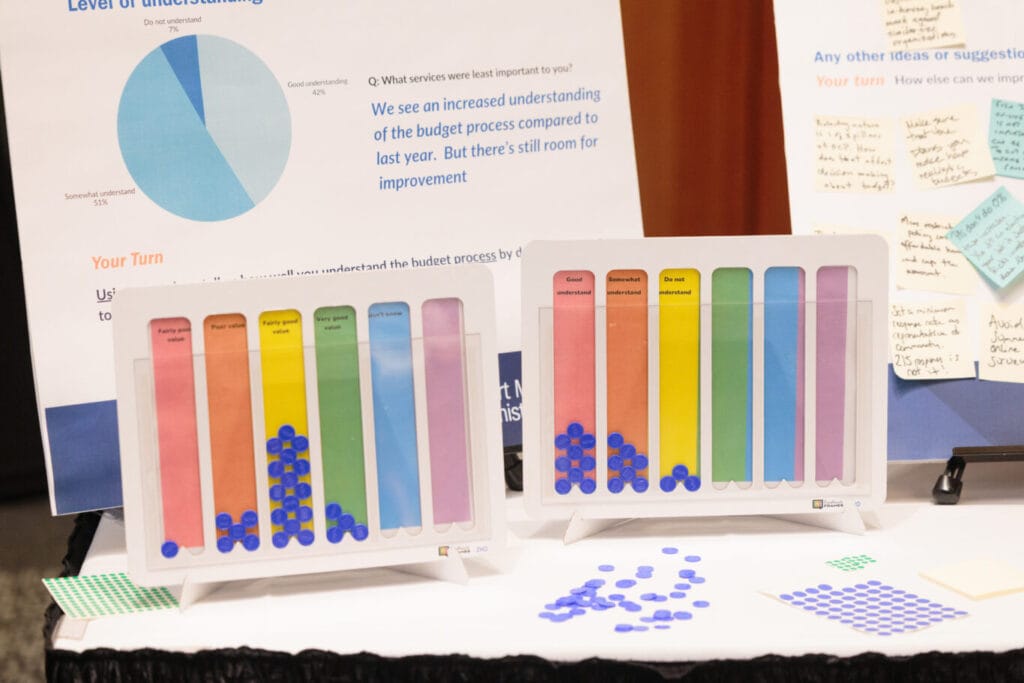
There were several upcoming opportunities to learn about and add your voice to the 2026 municipal budget process:
- November 10, from 5 to 7 p.m.: Budget Virtual-Drop-in with Council: 2026 Operations. Join Council in this digital session to discuss the proposed Operations Budget and to provide your insights and input to help shape the 2026 budget.
- November 13, from 1 to 3 p.m. at Blenz Coffee: Coffee with Council Drop-in. Join Council for a coffee on us to discuss what’s on your mind – including the 2026 budget.
- November 20, from 7 to 9 p.m. at Cinnamon Bear: Cents and Sensibility: Budget Quiz Night. Join Council and staff for a fun and informative evening learning about the budget, connecting with your community and testing your knowledge to win prizes.
- November 24, from 5 to 6 p.m.: Budget Virtual Drop-in with Council: 2026 Projects. Join Council in this digital session to discuss the proposed Projects Budget and to provide your insights and input to help shape the 2026 budget.
The draft budget will come to Council for consideration and final direction to staff on December 2. Details for all upcoming budget events and engagement opportunities are available at engage.whistler.ca.