
Looking to get caught up on the Tuesday, September 1 Council Meetings? We’ve pulled together some key stories from Committee of the Whole and the Regular Council Meeting, including:
- Committee of the Whole considers moving the Community Enrichment Program grant administration to the Whistler Community Foundation.
- Fire Chief demonstrates new wildfire early detection technology.
- Higher revenues, lower expenses in second quarter financials.
- Municipal greenhouse gas emissions stall, per capita emissions decreasing.
- Smart Tourism tackles traffic congestion.
For all the details, check out the recording of the full meetings.
Council to consider moving annual community enrichment grant program to Whistler Community Foundation

To address the Community Enrichment Program’s (CEP) growing budget and administrative demands, staff proposed an update at the Committee of the Whole (COTW) meeting on September 22, 2026.
Staff shared that the CEP budget for Whistler non-profits increased from $152,000 in grants awarded in 2016 to $433,000 in 2026. It takes a significant amount of staff time to administer the CEP program. This includes collecting applications, coordinating applicant presentations, reports to Council both before and after the awards are granted, and collecting reports on how the funds were used.
Staff recommended partnering with the Whistler Community Foundation (WCF), a local non-profit that administers multiple grant programs, including the Environmental Legacy Fund and over ten different scholarships for local graduating students. Last year, WCF granted over $437,000 to local organizations and individuals.
The COTW asked staff to explore a hybrid model that would use the WCF software, but allow Council to continue to have the final decision on grant allocations. Staff were directed to return at a future COTW meeting for further discussion. Staff plan to return with an update on December 1, 2026.
Fire chief says early detection critical to fighting wildfires
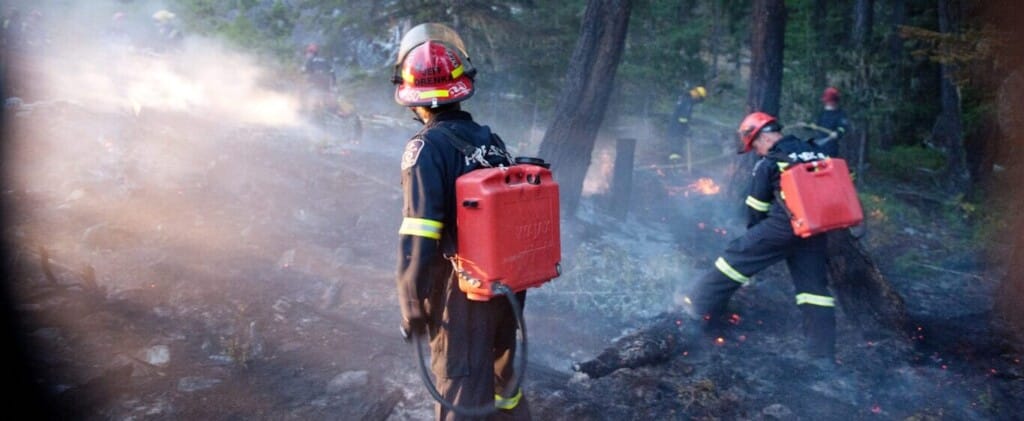
Whistler Fire Chief Thomas Doherty shared an overview of early wildfire detection systems and how they are being used to respond quickly to fires at the September 1 Council meeting.
This past summer, the Whistler area had a number of reported fires; the first in early April. The majority of early season fires were caused by humans, but the later season fires were mostly from lightning strikes. All the fires were addressed quickly, after being spotted by early detection systems. This prevented any major wildfires.
Whistler fire crews also helped with fires in Pemberton and the Twin Two Creek Wildfire by Lillooet Lake.
Until September 14, 2026, the Coastal Fire Centre (which includes Sea to Sky) reported 303 fires: an increase of 39 per cent over the previous year. The fire size was significantly larger: 101,792 hectares burned compared to 15,437 in 2025.
Our fire department took action by training with other fire departments, BC Wildfire Service and Whistler Blackcomb staff, and assisting other fire departments and provincial forest fighters to gain experience. We continued our fuel mitigation work and increased wildfire-fighting resources with mobile water tanks for high-risk areas that can be used to refill trucks. The Whistler Blackcomb Foundation donated a new truck to the department to access wildfire areas, and we introduced a new wildfire detection system.
SenseNet uses technology to spot fires with high-tech, early detection cameras, smoke detection sensors and satellite data, including data on lightning strikes.
The Fire Chief gave a live demonstration, showing how the system’s cameras have infrared to help spot fires at night and can catch fires long before any person would be able to report it. The system includes cameras which can be used remotely and over 70 sensors detecting smoke, temperature information, humidity and air quality.
The software helps our firefighters monitor fires and track their growth rate as it covers most of the resort. It includes data on wind and topography to predict how the fire will grow, which was used over the summer on the Signal Hill wildfire in Pemberton.
“Wildfire season is getting longer, it’s starting earlier and going longer (into the fall),” said Chief Doherty. “We’re in high fire danger at the end of September, which is pretty concerning.
“Time is important. There are three key things [that] minimize property loss and injury and death, and that’s: early detection, early notification and a quick response. These fires don’t start at a hundred hectares and if we can get to them quicker – and [SenseNet] is one tool that helps us do that – we’re in a much better position.”
Recently we signed a Memorandum of Understanding with BC Wildfire Service to share notifications from this detection system.
Higher revenue, lower spending reported for second fiscal quarter
The second-quarter financial results presented on September 22 had positive news for revenue and expenses.
On June 30, 2026, our total revenue collected exceeded the budget by over $2 million. This is largely due to higher-than-expected property tax revenues, permits and fees, transit fares, investment and other revenues.
The municipality’s expenses were under budget by about $2 million at the end of the second quarter. This can be partially explained by the timing as well as surpluses from transit maintenance expenses and staff vacancies to date.
At the end of second quarter, project expenses for large infrastructure investments and other initiatives, was at $12.8 million, or 25 per cent of the annual target. These projects are in the planning, construction or completion phase, and may continue into the following years. The expenses are expected to reach over 70 per cent spent by year end.
Whistler emissions hold steady at 2024 levels
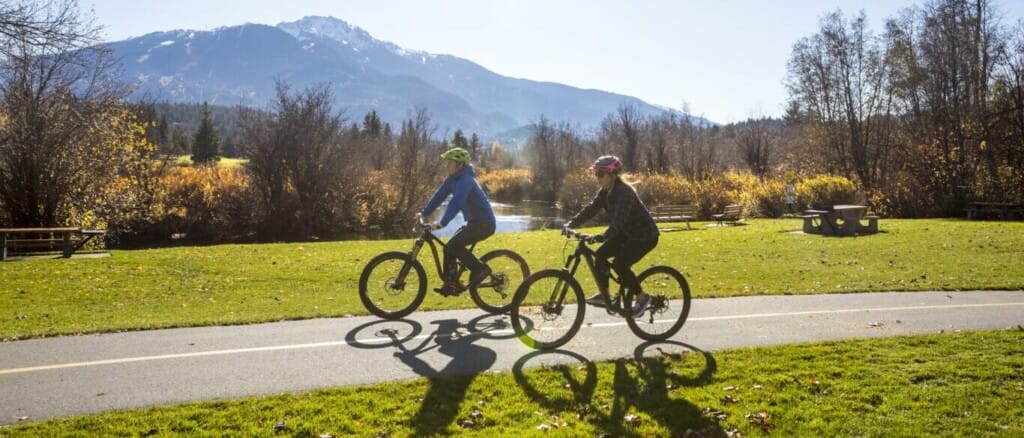
We are still far from our goal to reduce community greenhouse gas emissions 50 per cent by 2030, but Council received good news at the September 22 meeting with the presentation of the Whistler 2025 Annual Greenhouse Gas Inventory and Climate Action Report.
The 2025 report shows total emissions were just under 140,000 tonnes of carbon dioxide: the same as in 2024, despite the fact vehicle trips were up three per cent from 2024 to 2025.
Accounting for the increase in visitors and population, Whistler’s per capita emissions reduced from 3.49 tonnes per person to 3.2 tonnes — the lowest since Whistler started to record emissions.
We continue to progress towards our targets with transit improvements, active transportation infrastructure, supporting home energy retrofit improvements to municipal buildings, and protecting the area’s natural habitat and infrastructure from climate change impacts.
Smart Tourism Committee presents recommendations for improving congestion
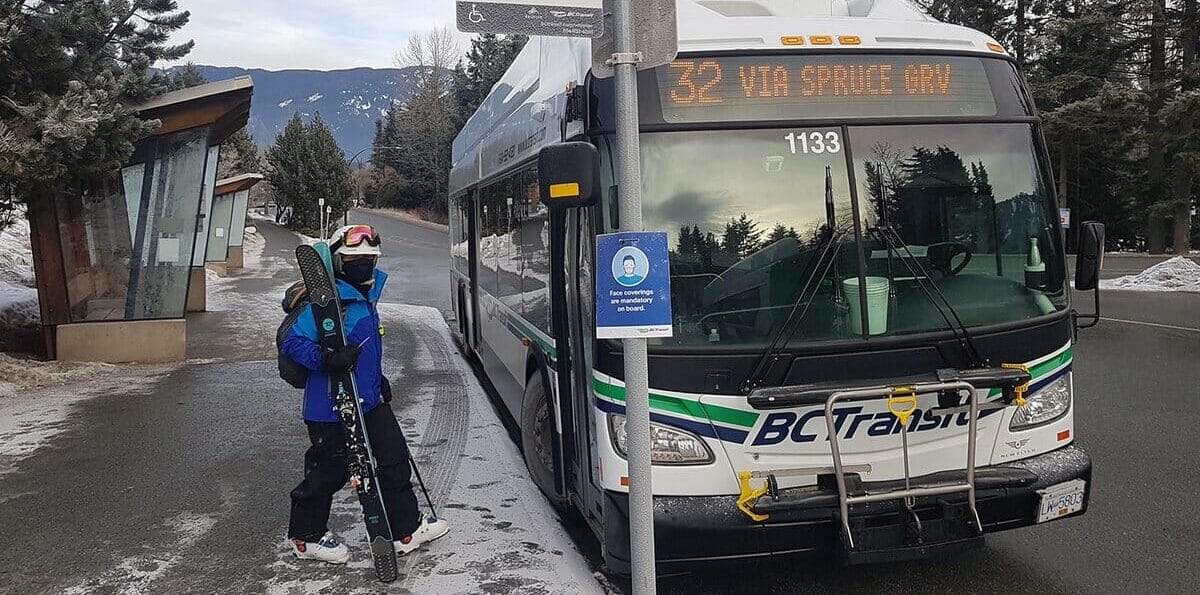
The Smart Tourism Committee presented possible ways to reduce congestion to Council at the September 22 meeting.
Some suggestions to reduce vehicle traffic included:
- creating a combined ski, transit and locker pass that would make it easier to take transit to the ski lifts,
- establishing a highway line for transit and carpool vehicles so they can avoid heavy traffic,
- a travel planning app to help people avoid peak traffic times,
- adjusting parking prices based on traffic, (raising prices on weekends, charging more for vehicles that exit during busy times)
- carpooling and rideshare systems in the Sea to Sky corridor.
The Committee will next assess the feasibility of these ideas.