Goal: Minimize wildfire threats to human health and safety, private property, infrastructure, wildlife and natural areas.
Whistler forests are a source of wildlife habitat, beauty and pride. But, they also contribute to wildfire risk in our community. Climate change is leading to hotter, drier, longer summers, making wildfires more unpredictable and difficult to control. A large local wildfire would result in significant carbon emissions, as well as impacts to human health and safety, infrastructure, wildlife and ecosystems. We must work together to prevent wildfires and protect residents, visitors, wildlife and community infrastructure.
What we’re doing
- Implement the Community Wildfire Resiliency Plan in collaboration with relevant partners.
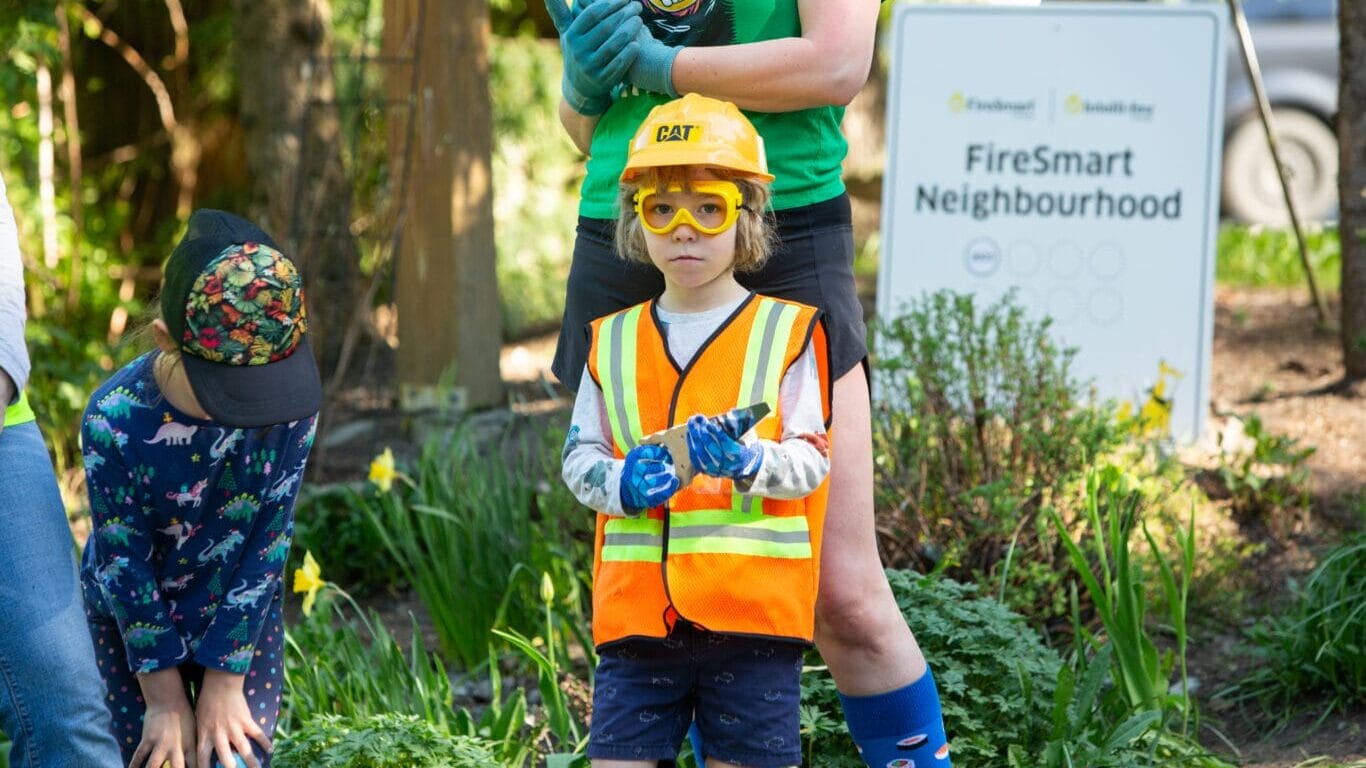
- Ensure that Whistler residents are aware of how to FireSmart their property.
- Incorporate FireSmart guidance into the RMOW’s community planning and policy frameworks.
- Use our community land use and development plans and bylaws to build and maintain resilient developments.
- Seek collaboration with organizations and interested parties on wildfire risk reduction and resiliency tasks.
- Continue to train relevant staff and community groups on FireSmart and wildfire preparedness and prevention.
- Prepare the Resort Municipality of Whistler and partners to respond to the threat of wildfire and a wildfire emergency.
- Continue to implement the Wildfire Protection Development Permit Areas through the Official Community Plan.
Small actions you can take
- Practice fire safety.
- Obey fire bans.
- Reach out to the Whistler FireSmart team for a FireSmart assessment and FireSmart your home
- FireSmart your property.
- Check the fire danger rating in Whistler.
- Apply for fire-related permits.
- Prevent fires at home and work.
- Sign up for the Whistler Alert emergency notification system.
-
Know how to prepare for an emergency in Whistler.