
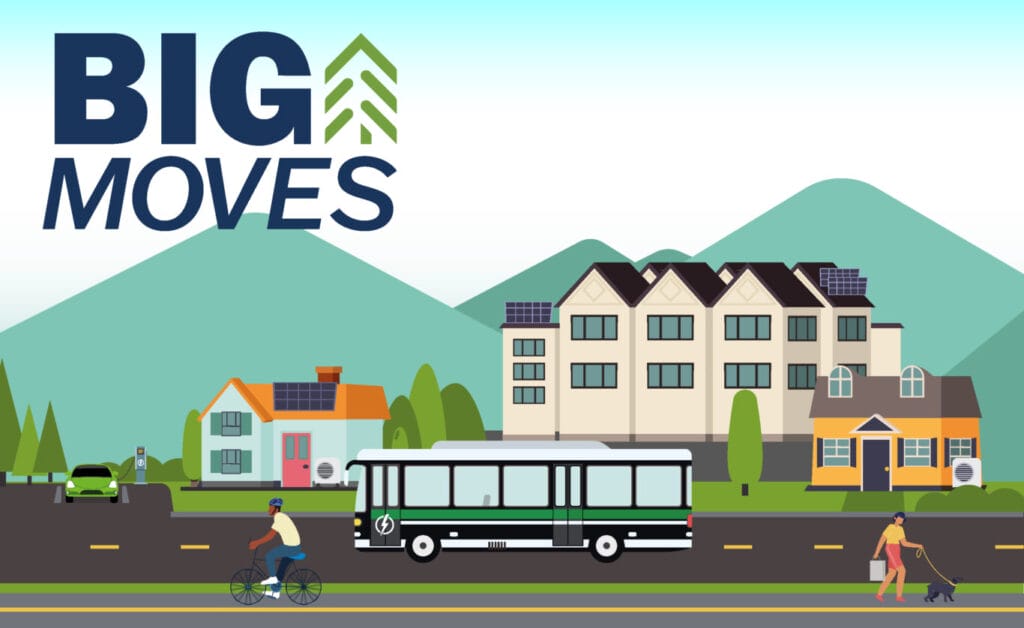
Whistler’s spectacular nature nurtures a healthy, inspiring community and a thriving tourism economy. Climate change is a risk to our way of life. It raises the cost of living, impacts wellbeing, and puts pressure on local businesses. The Big Moves Climate Action Implementation Plan is Whistler’s community roadmap to protect what we love. Led by the Resort Municipality of Whistler, it outlines clear steps we can take together to build a more resilient future.
Small actions make Big Moves. Every day shifts in how we get around town, build or renovate homes, and dispose of waste can create a powerful collective impact. Explore below to learn what’s happening now and how you can get involved. No matter where you start, you’re part of the solution
Filter by:

Reducing climate change risks to Whistler
Mitigating the effects of extreme weather on buildings and infrastructure
Reducing impacts of climate change on the natural environment

Monitoring and protecting Whistler's airshed

Creating viable alternatives to cars

Encouraging the shift to electric vehicles and transit
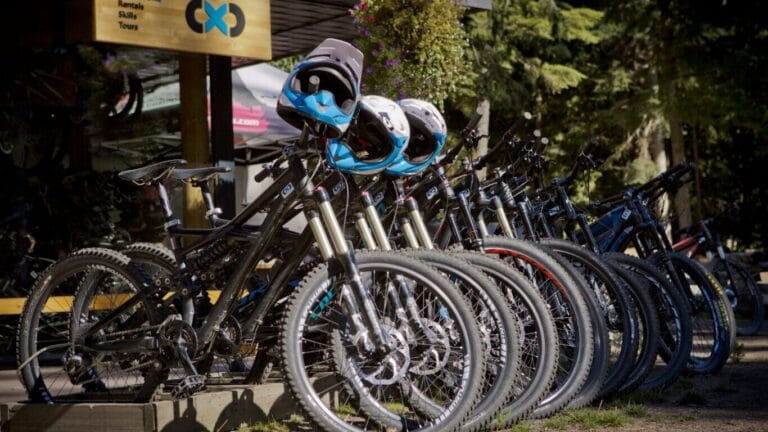
Displacing the carbon generated by visitors coming to Whistler
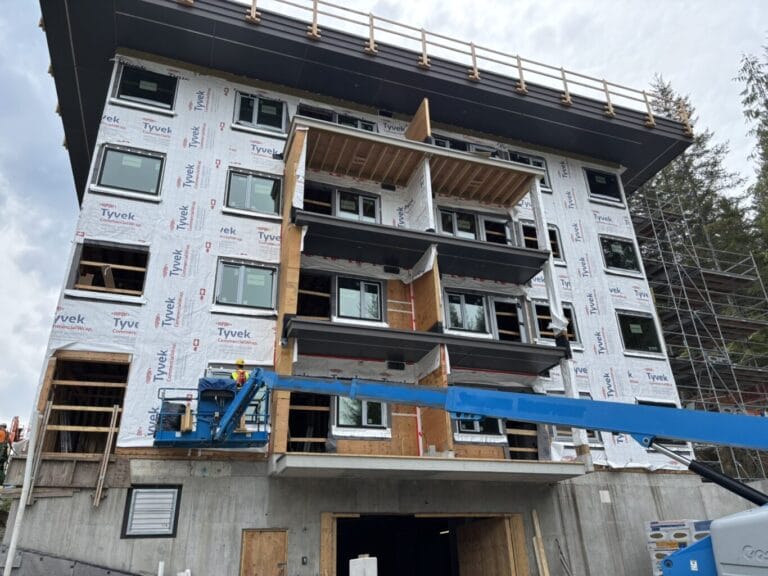
Applying green building standards to all new construction
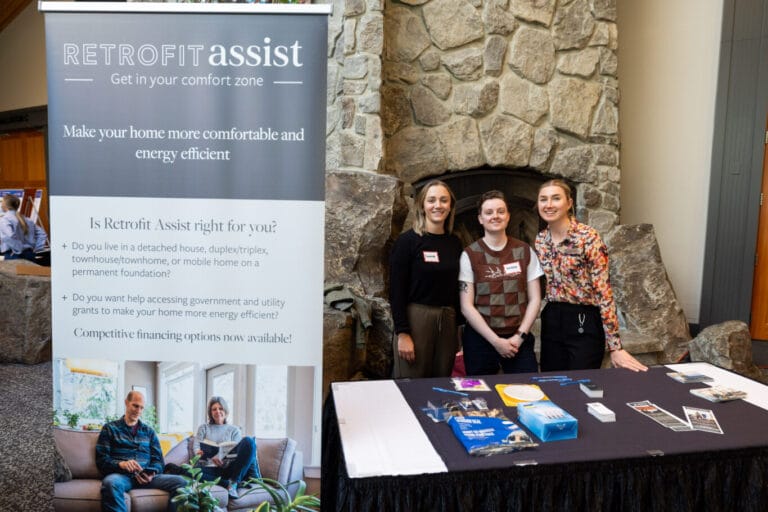
Retrofitting existing buildings to make them more efficient
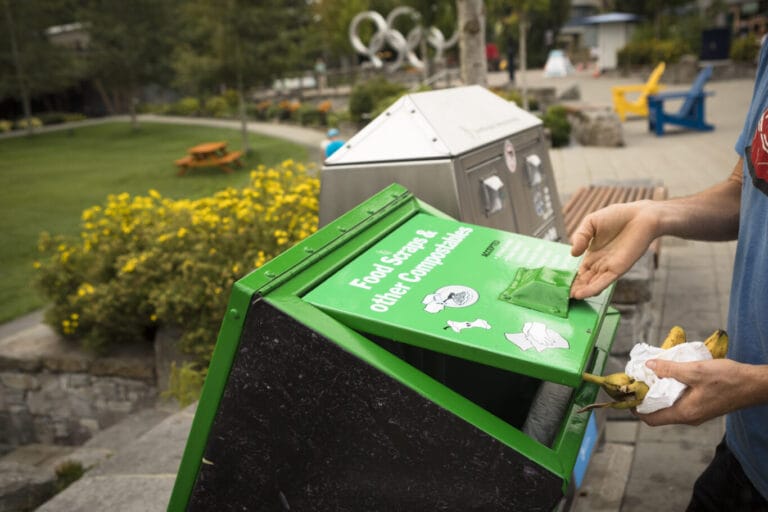
Reducing greenhouse gases from landfilling and waste
Monitoring and protecting Whistler's at-risk species
More resources for planning construction and alteration projects
What to know before you cut down or prune a tree
Reducing risk with fuel reductions, FireSmart and other programs
Information on composting, yard waste and invasive species
Guidelines for preventing construction-related fires
Ensuring Whistler's drinking water is both safe and abundant
Be prepared, be informed
Applying for irrigation, soil removals and other engineering department permits
Whistler's fire danger ratings and safety tips
Fire prevention resources
A provincial initiative to reduce fire risks for homes and communities

Disposing of household, commercial and landfill waste
Moving Whistler towards zero waste
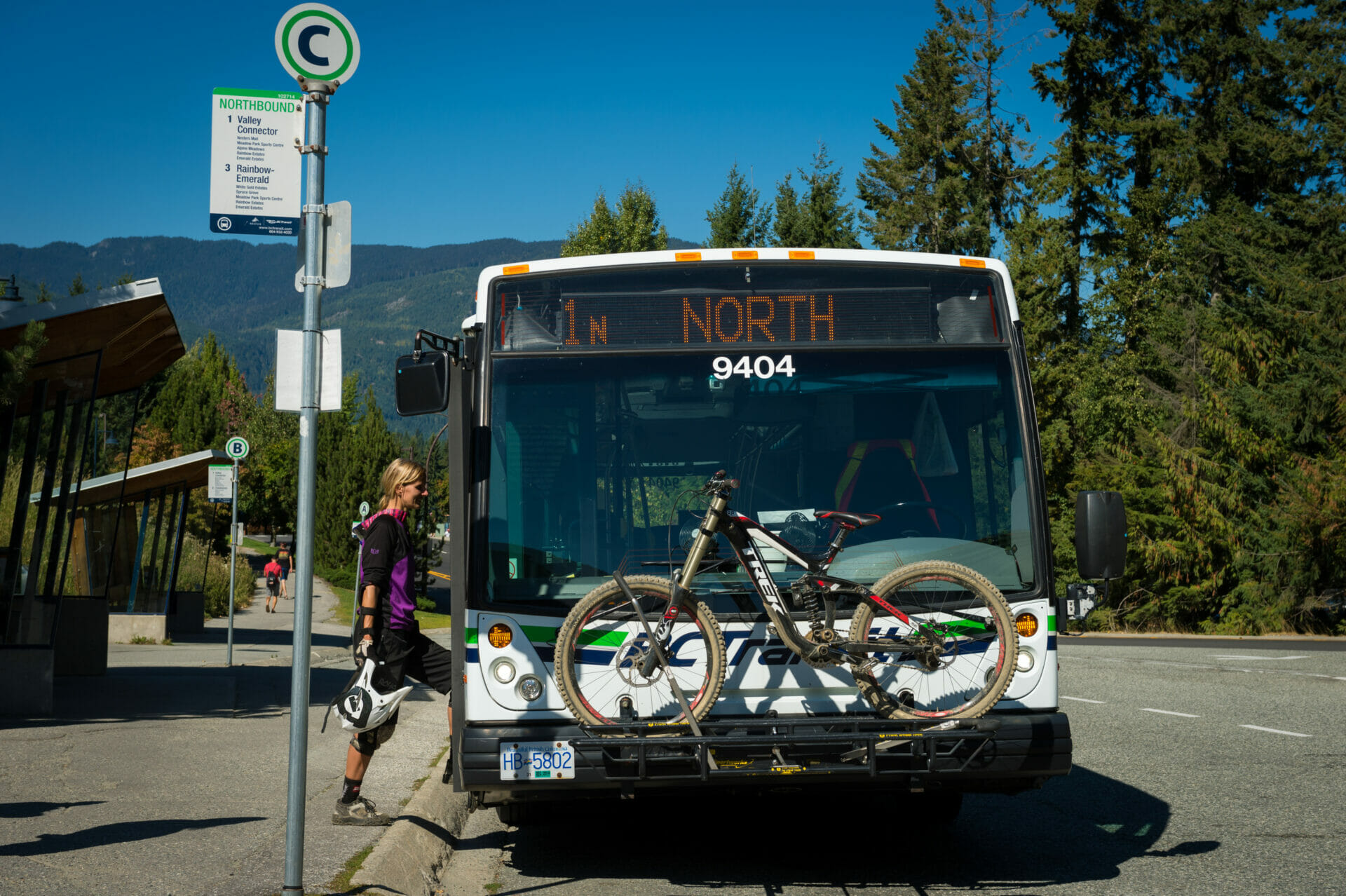
Alternatives for travelling to Whistler and getting around the resort
Resources for meeting evolving green building standards
Important information for meeting energy efficiency guidelines
Best practices to keep you and our wildlife safe
Waste handling resources and requirements for commercial and strata properties
Whistler is at risk of wildfires, earthquakes, landslides and other disaster - be prepared

Available grants, rebates and other incentives
Tips on recycling and handling difficult-to-recycle waste
Tips for reducing household waste
Help keep your neighbours and animals safe
Police, fire and emergency services information
A unified and collaborative approach to destination management.
Permitting requirements for trade-specific projects

Transit passes, routes, free park shuttles and more
Moving Whistler beyond the car and into alternatives
Where to take your household, commercial and other waste
Resources for business/commercial garbage, recycling and composting
A comprehensive plan for conserving Whistler's water resources
Find parking in Whistler, plus locations, rates, and regulations
Providing around-the-clock protection and emergency response
Preventing and preparing for wildfires
Reducing fuel to prevent or slow wildfires
Learn about Whistler's wildlife and natural environment
Big Moves: Whistler’s Climate Change Strategy
Small actions make Big Moves
Whistler is a healthy, welcoming community that is deeply connected to nature. Residents and visitors alike come here for the mountains, trails, clean air, and vibrant outdoor life. But climate change is starting to affect our daily lives, our favourite pastimes, and our pocketbooks. Hotter summers, wildfires, milder winters, and heavy rain events impact our beloved outdoor activities, affect business and raise costs for everyone.
Why we’re taking action
As a mountain community shaped by natural cycles, the community has been incredibly supportive of the need to act today. That’s why we created the Big Moves Climate Action Implementation Plan (PDF) (CAIP), a shared roadmap to reduce emissions and adapt to a changing climate. By reducing our community emissions and planning for the future, we can protect the quality of life for locals and improve the overall visitor experience.
Every small step is a Big Move toward:
- Keeping winter alive for future generations.
- Strengthening our local economy.
- Reducing wildfire risks and damage to infrastructure.
- Finding cost savings for residents, businesses and the municipality.
- Building healthier homes that save energy — and money.
- Breathing easier with cleaner air.
What is the Plan? Big Moves and Adaptation Goals
The Big Moves CAIP (PDF) focuses on reducing Whistler’s contribution to climate change, aiming to reach our 2030 emission reduction target and improve our resilience amidst a changing climate. The six Big Moves reduce community emissions in transportation, buildings, and waste management, the areas with the most Greenhouse Gas (GHG) emissions. Three Adaptation Goals improve community resilience through infrastructure, education, and habitat preservation.
Our target: 50 per cent emissions reduction by 2030
Whistler’s stretch goal is to reduce GHG emissions by 50 per cent below 2007 levels. That means capping total emissions at 66,500 tonnes of CO₂e by 2030.
Big Moves
- Big Move 1: Move beyond the car
- Big Move 2: Decarbonize passenger and commercial transport
- Big Move 3: Reduce visitor travel emissions
- Big Move 4: Build zero emissions buildings
- Big Move 5: Make existing buildings better
- Big Move 6: Close the loop and shift towards lower carbon consumption
Adaptation Goals:
- Adaptation Goal 1: Minimize threats from wildfires
- Adaptation Goal 2: Increase resilience to extreme weather events
- Adaptation Goal 3: Protect local ecosystems and biodiversity
Did you know?
- Personal transportation is Whistler’s largest emissions source (over 50 per cent of our total).
- Buildings produce the second most GHG emissions in Whistler, mostly from fossil fuel use.
- Waste also produces emissions, particularly methane. Even though we have reduced waste emissions by 90 per cent since 2005, thanks to composting, gas capture, and landfill improvements, there is still more work to be done.
Background
Whistler was one of the first communities in British Columbia to sign onto the BC Climate Action Charter in 2007, leading to the Community Energy and Climate Action Plan (PDF) (CECAP). There were over 130 actions in CECAP across a wide variety of sectors that were later incorporated into our Official Community Plan and Big Moves Climate Action Implementation Plan.