
Whistler’s spectacular nature nurtures a healthy, inspiring community and a thriving tourism economy. Climate change is a risk to our way of life. It raises the cost of living, impacts wellbeing, and puts pressure on local businesses. The Big Moves Climate Action Implementation Plan is Whistler’s community roadmap to protect what we love. Led by the Resort Municipality of Whistler, it outlines clear steps we can take together to build a more resilient future.
Watch the video to learn what we are doing and choose your move:
Small actions make Big Moves. Every day shifts in how we get around town, build or renovate homes, and dispose of waste can create a powerful collective impact. Explore below to learn what’s happening now and how you can get involved. No matter where you start, you’re part of the solution.
Answer the questions below to see what actions you can take.
Filter by:

Fall Repair Cafés are back for Circular Economy Month! Need something fixed? Bring your broken item to the Repair Café, where our skilled volunteers will help you repair it—for free! Whether it’s a missing button, a crooked stool, a broken photo frame, or jewelry with a wacky clasp, bring it to the Repair Café. Our…
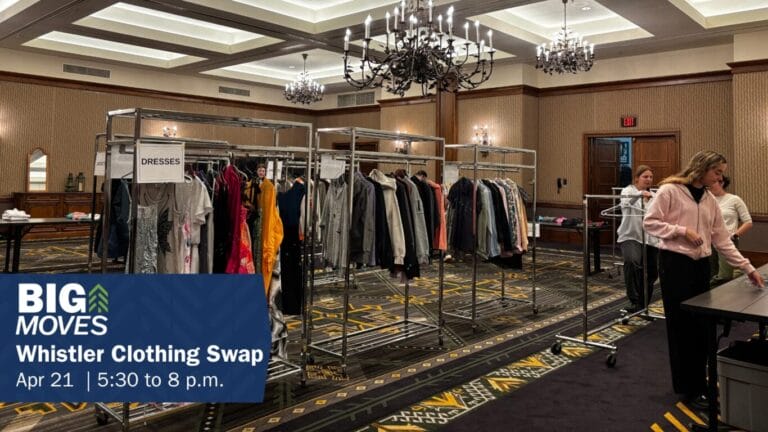
AWARE’s bi-annual Clothing Swap encourages community members to engage in sustainable fashion practices by swapping instead of shopping. This event highlights the environmental benefits of reducing waste and lowering the demand for new resources, which helps decrease the overall environmental footprint associated with the fashion industry. Participants will refresh their wardrobes and contribute to a…
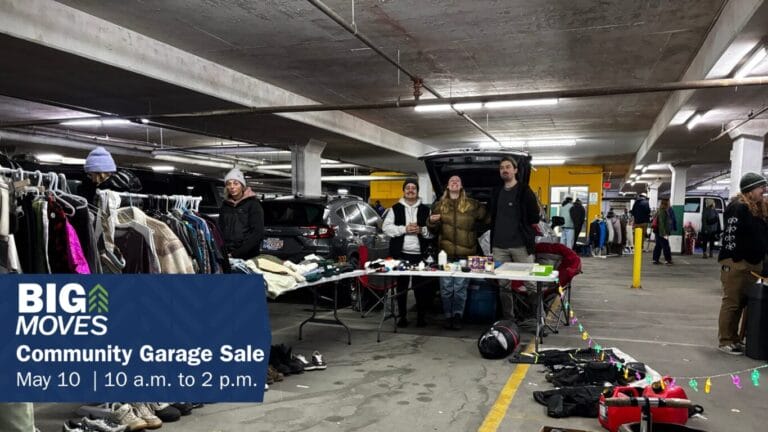
The Community Garage Sale in Creekside will be back in October. From household goods, to kids and baby stuff, clothing, sporting goods, pet items, furniture and much, much more. Please see below for all details and key dates.
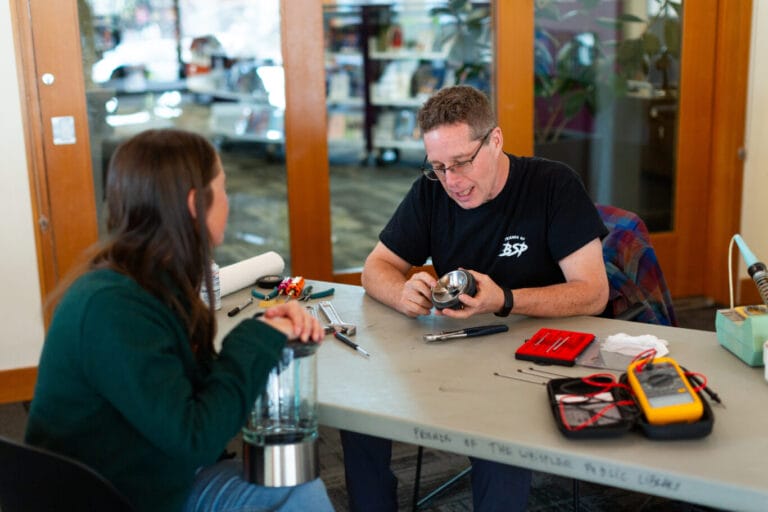
The second Repair Café for October 2026. Need something fixed? Bring your broken item to the Repair Café, where our skilled volunteers will help you repair it—for free! Whether it’s a missing button, a crooked stool, a broken photo frame, or jewelry with a wacky clasp, bring it to the Repair Café. Our skilled volunteers…

Creating viable alternatives to cars

Encouraging the shift to electric vehicles and transit
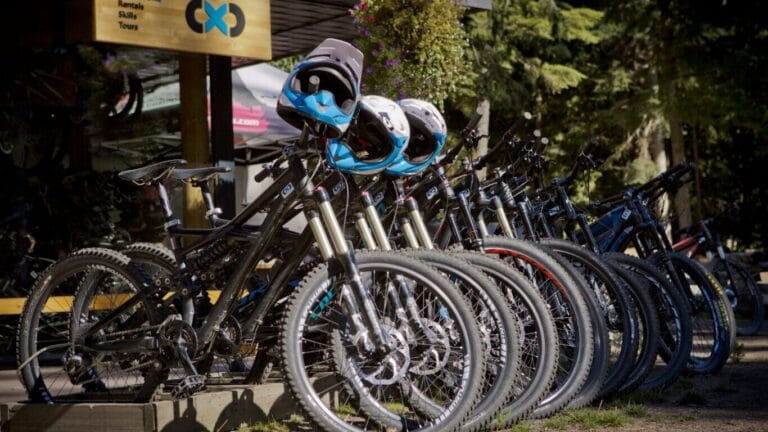
Displacing the carbon generated by visitors coming to Whistler
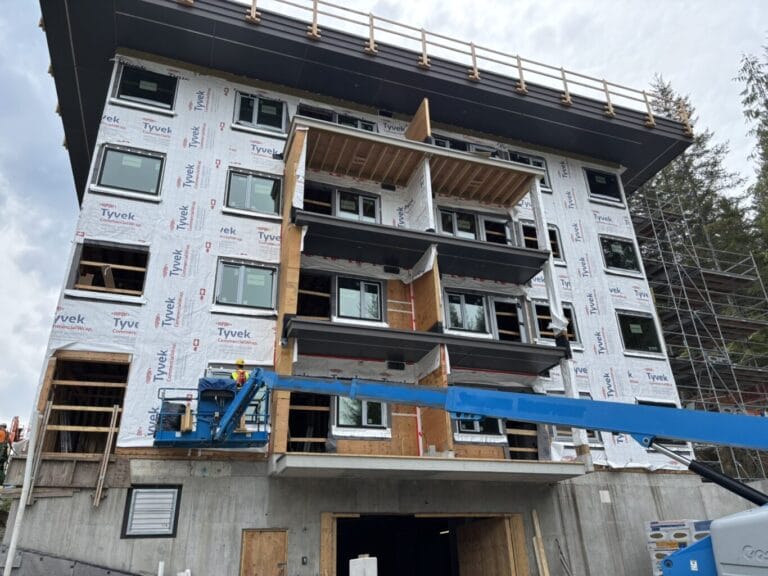
Applying green building standards to all new construction
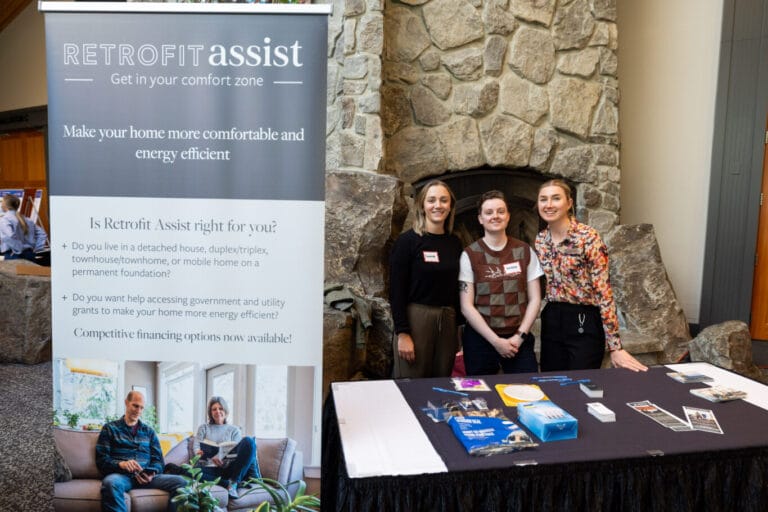
Retrofitting existing buildings to make them more efficient

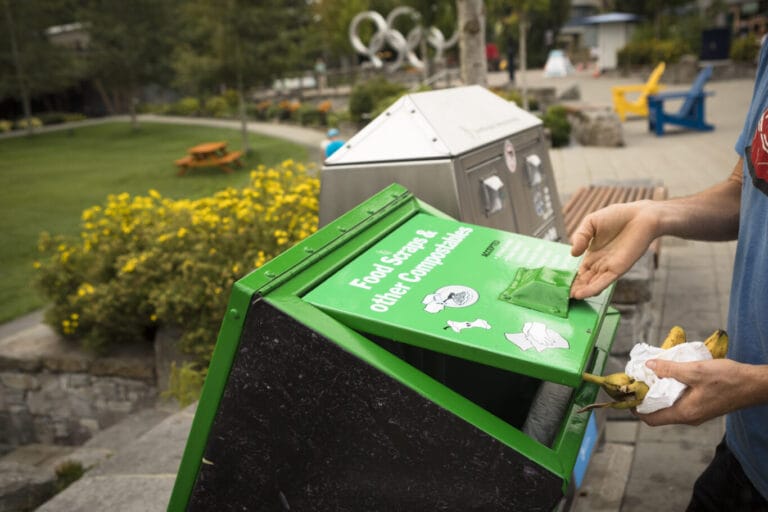
Reducing greenhouse gases from landfilling and waste

Reducing climate change risks to Whistler
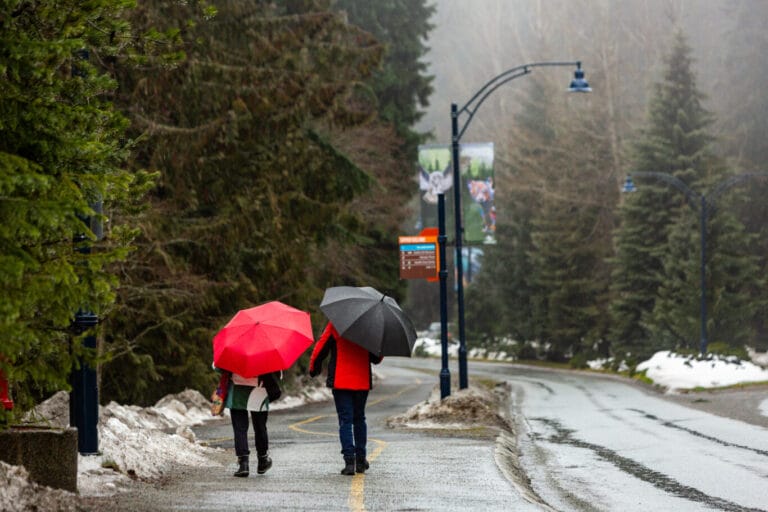
Mitigating the effects of extreme weather on buildings and infrastructure
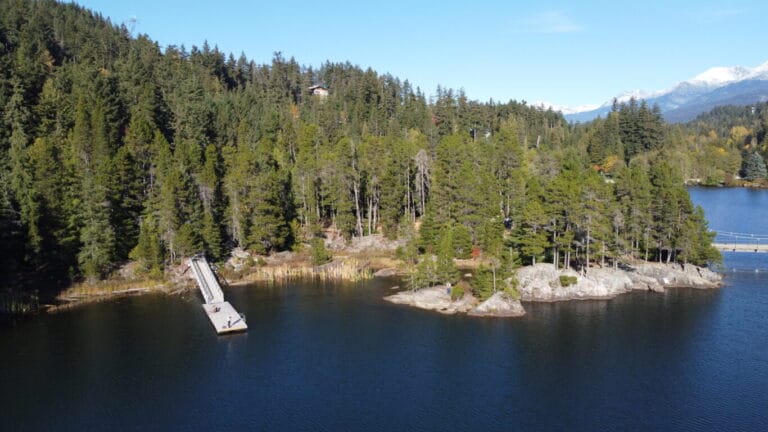
Reducing impacts of climate change on the natural environment

Monitoring and protecting Whistler's airshed
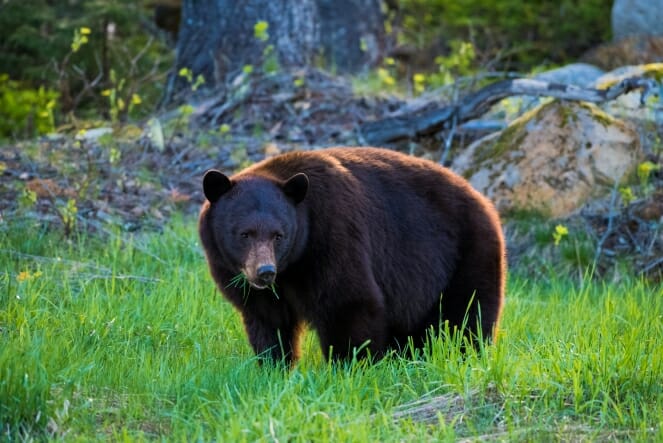
Monitoring and protecting Whistler's at-risk species

More resources for planning construction and alteration projects
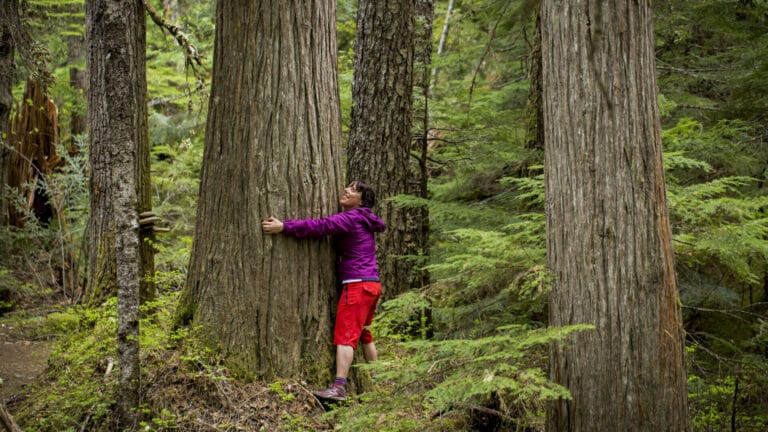
What to know before you cut down or prune a tree

Reducing risk with fuel reductions, FireSmart and other programs

Information on composting, yard waste and invasive species

Guidelines for preventing construction-related fires
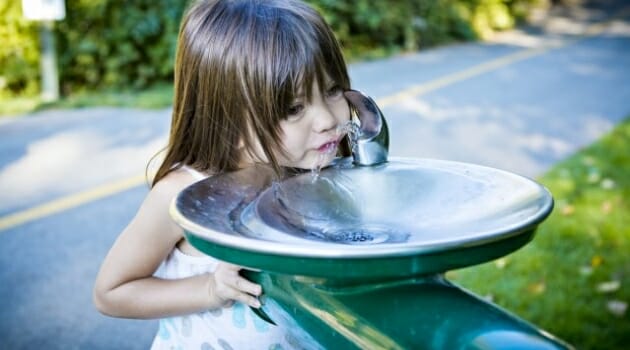
Ensuring Whistler's drinking water is both safe and abundant

Be prepared, be informed
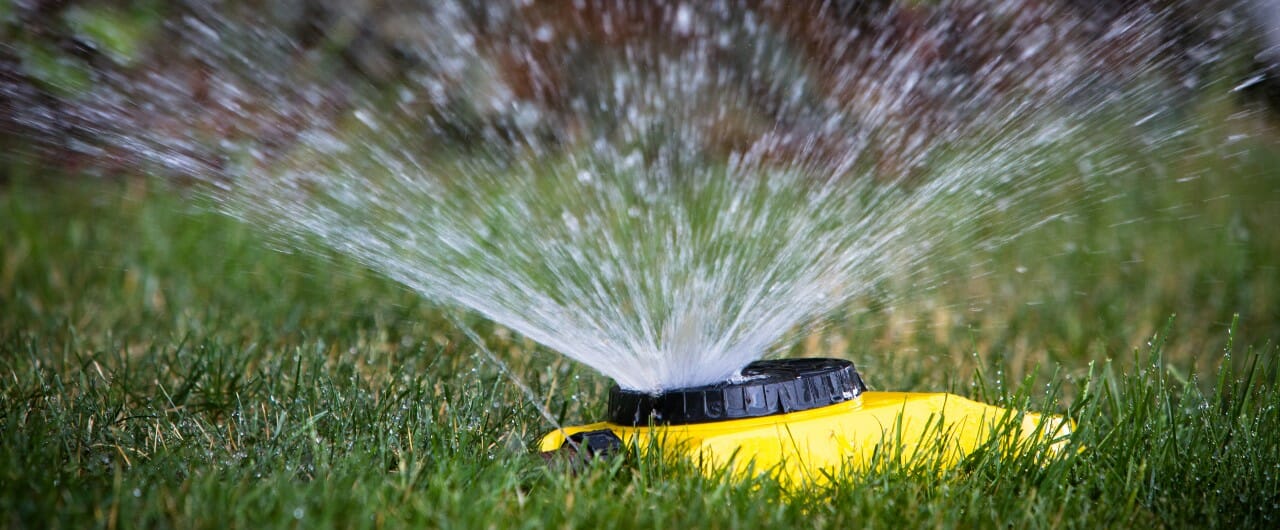
Applying for irrigation, soil removals and other engineering department permits

Whistler's fire danger ratings and safety tips
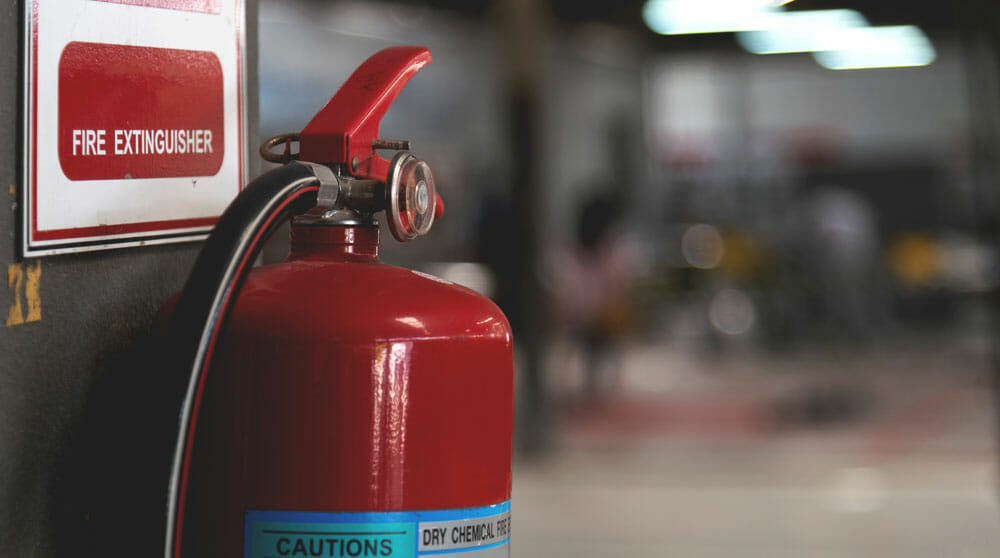
Fire prevention resources

A provincial initiative to reduce fire risks for homes and communities
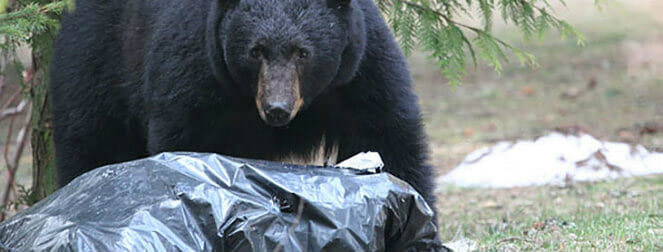
Disposing of household, commercial and landfill waste
Moving Whistler towards zero waste
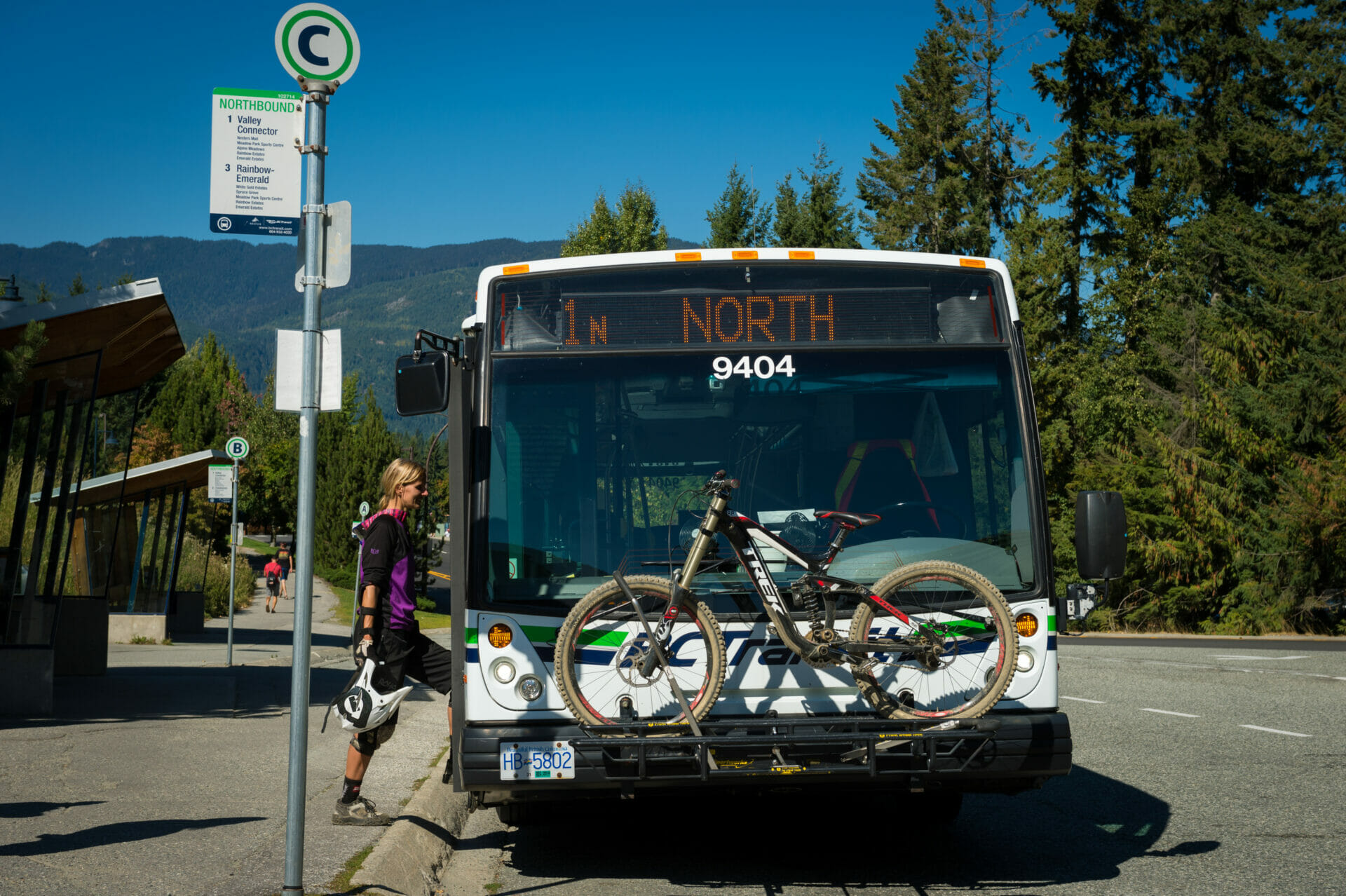
Alternatives for travelling to Whistler and getting around the resort

Resources for meeting evolving green building standards

Important information for meeting energy efficiency guidelines
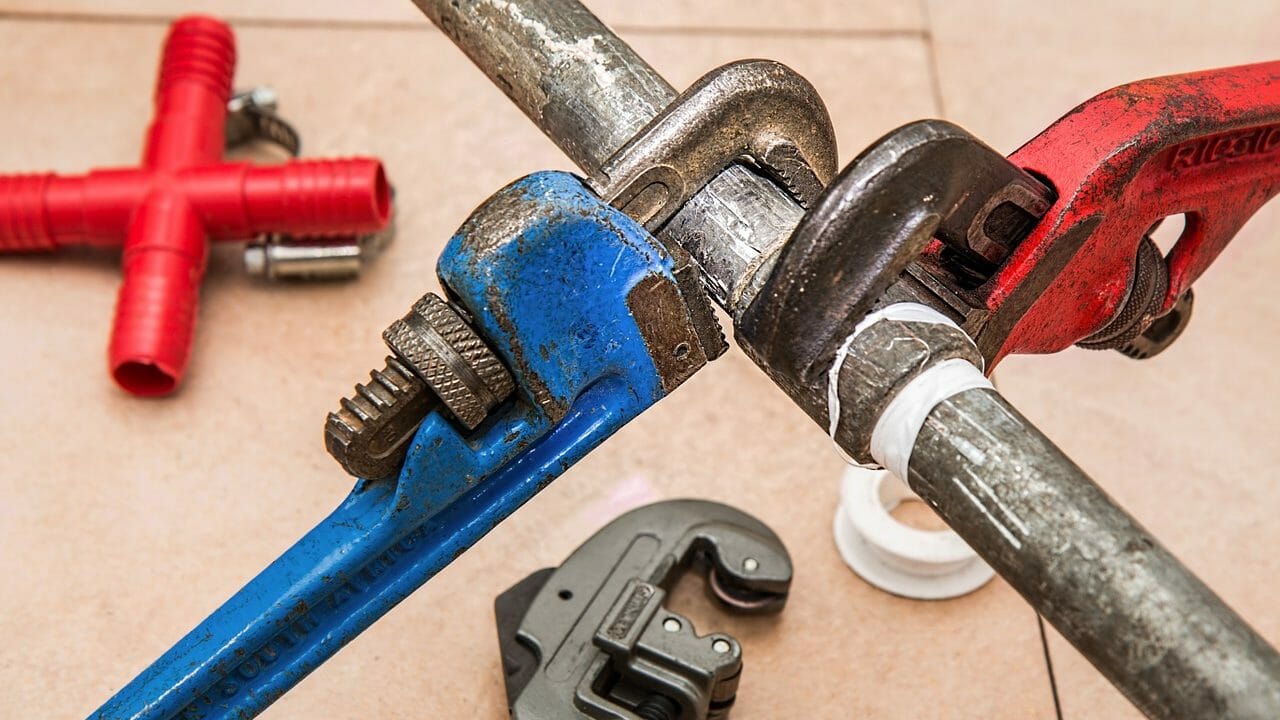
Permitting requirements for trade-specific projects
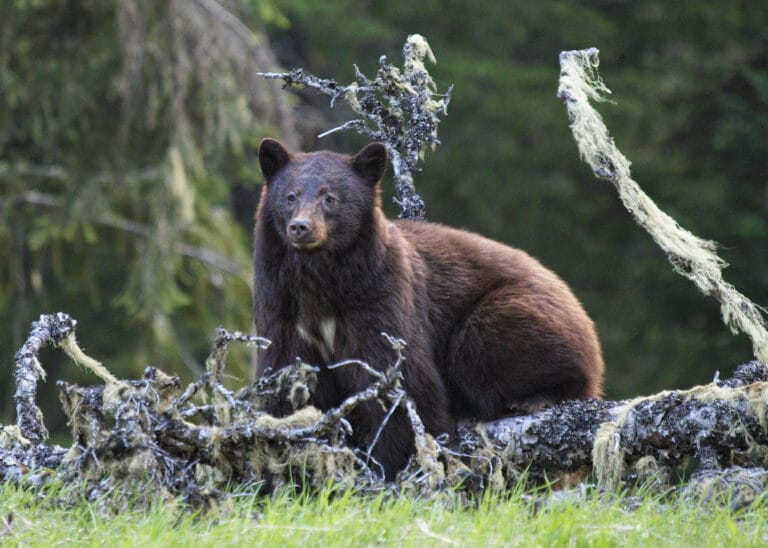
Best practices to keep you and our wildlife safe

Waste handling resources and requirements for commercial and strata properties
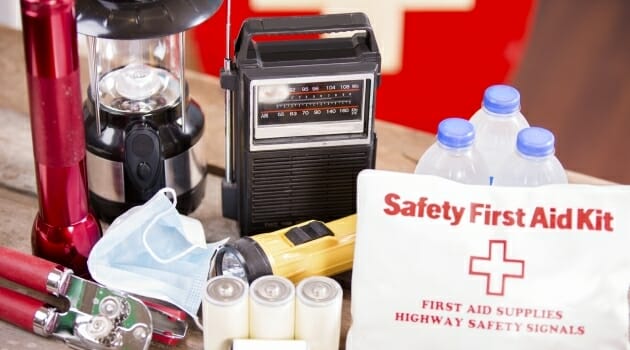
Whistler is at risk of wildfires, earthquakes, landslides and other disaster - be prepared
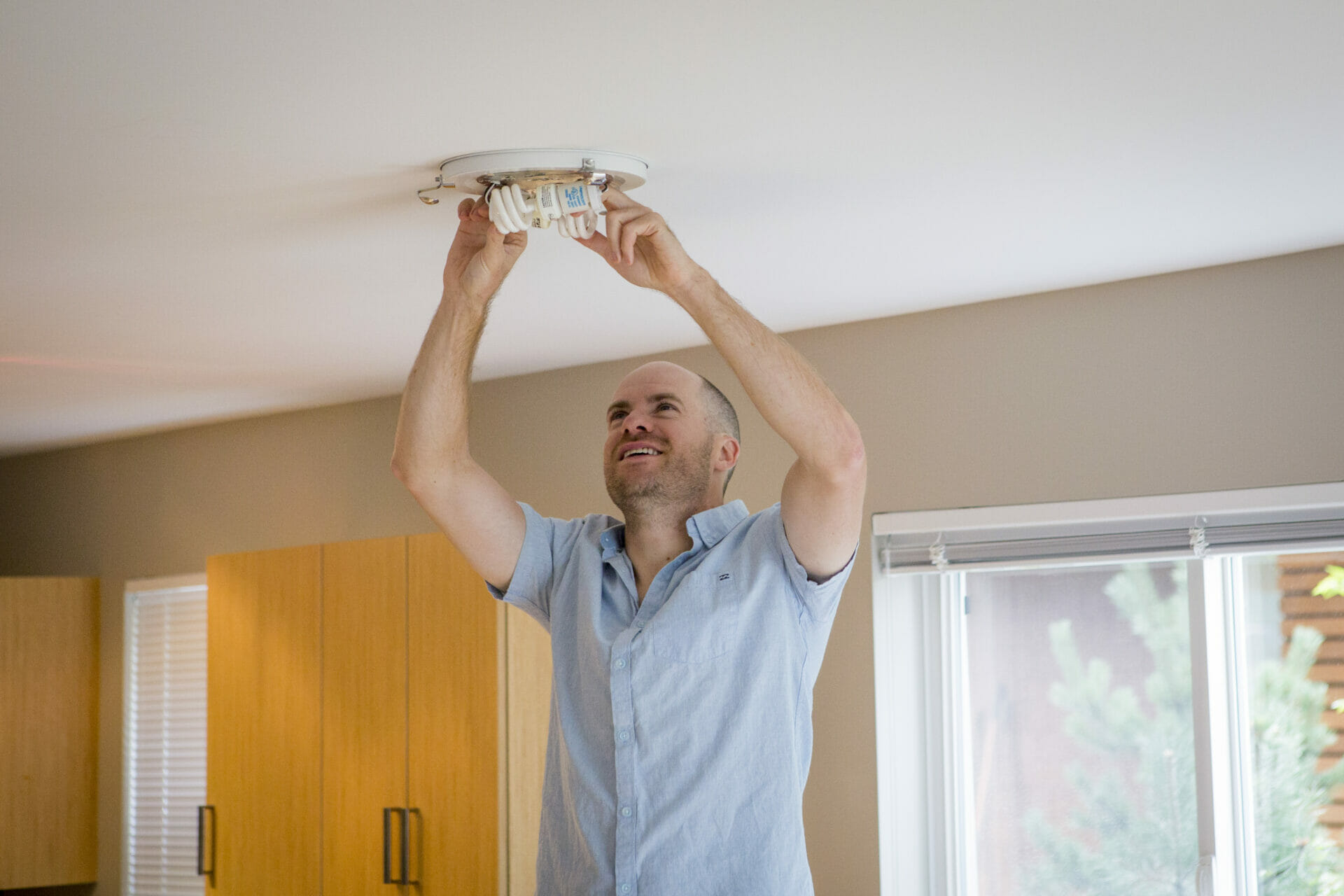
Available grants, rebates and other incentives
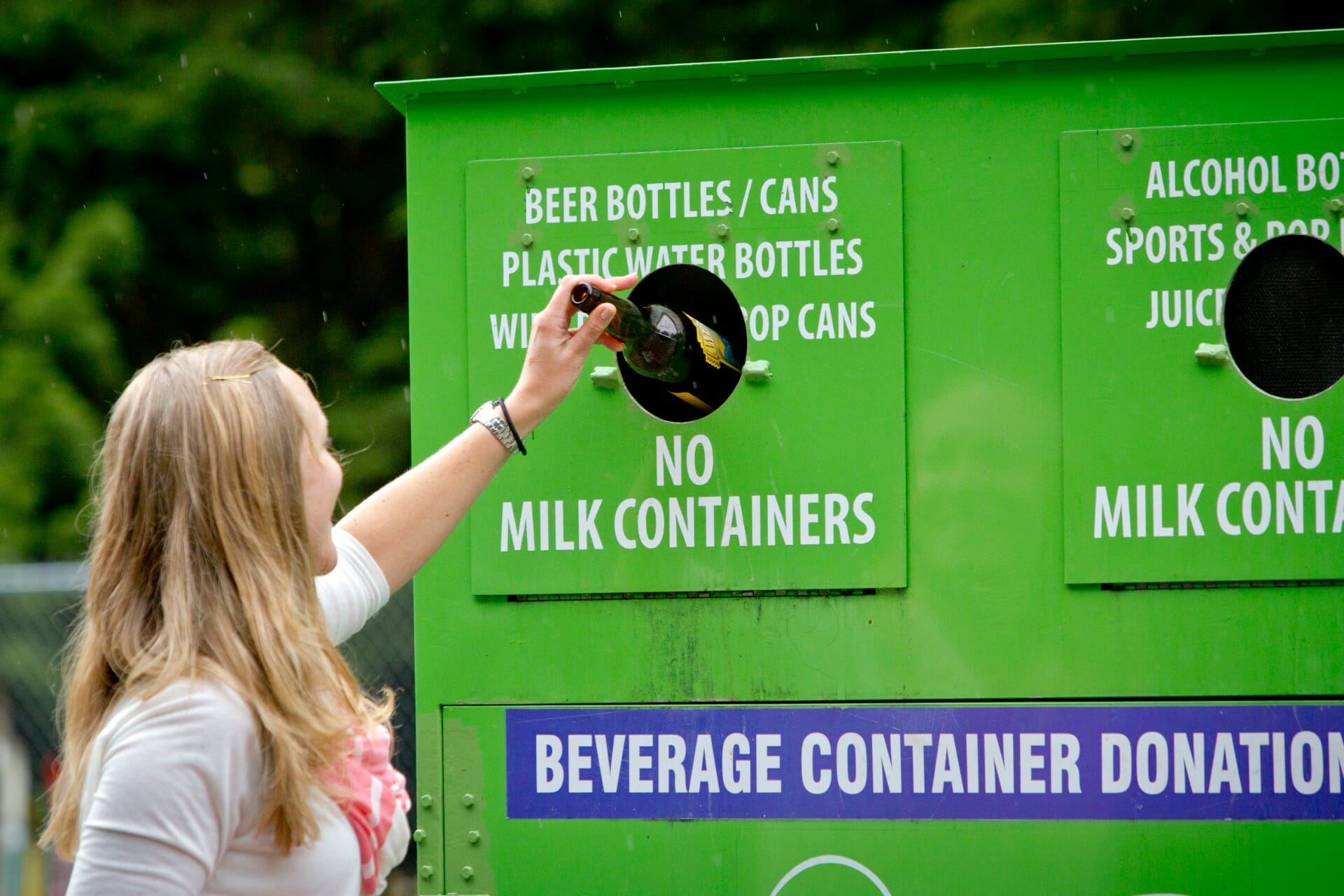
Tips on recycling and handling difficult-to-recycle waste

Tips for reducing household waste

Help keep your neighbours and animals safe
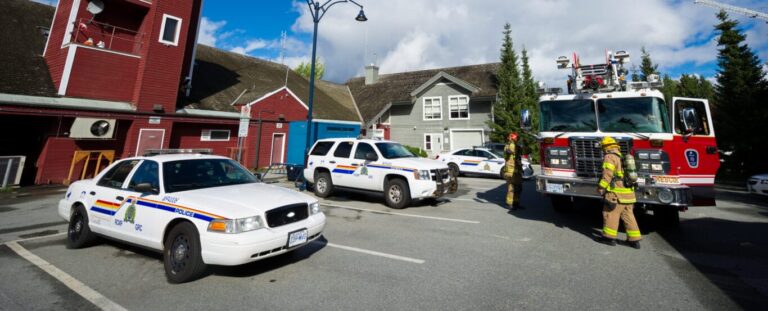
Police, fire and emergency services information

A unified and collaborative approach to destination management.

Transit passes, routes, free park shuttles and more
Moving Whistler beyond the car and into alternatives
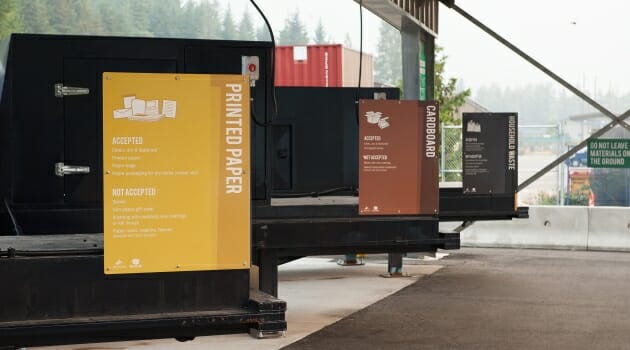
Where to take your household, commercial and other waste

Resources for business/commercial garbage, recycling and composting

A comprehensive plan for conserving Whistler's water resources

Find parking in Whistler, plus locations, rates, and regulations
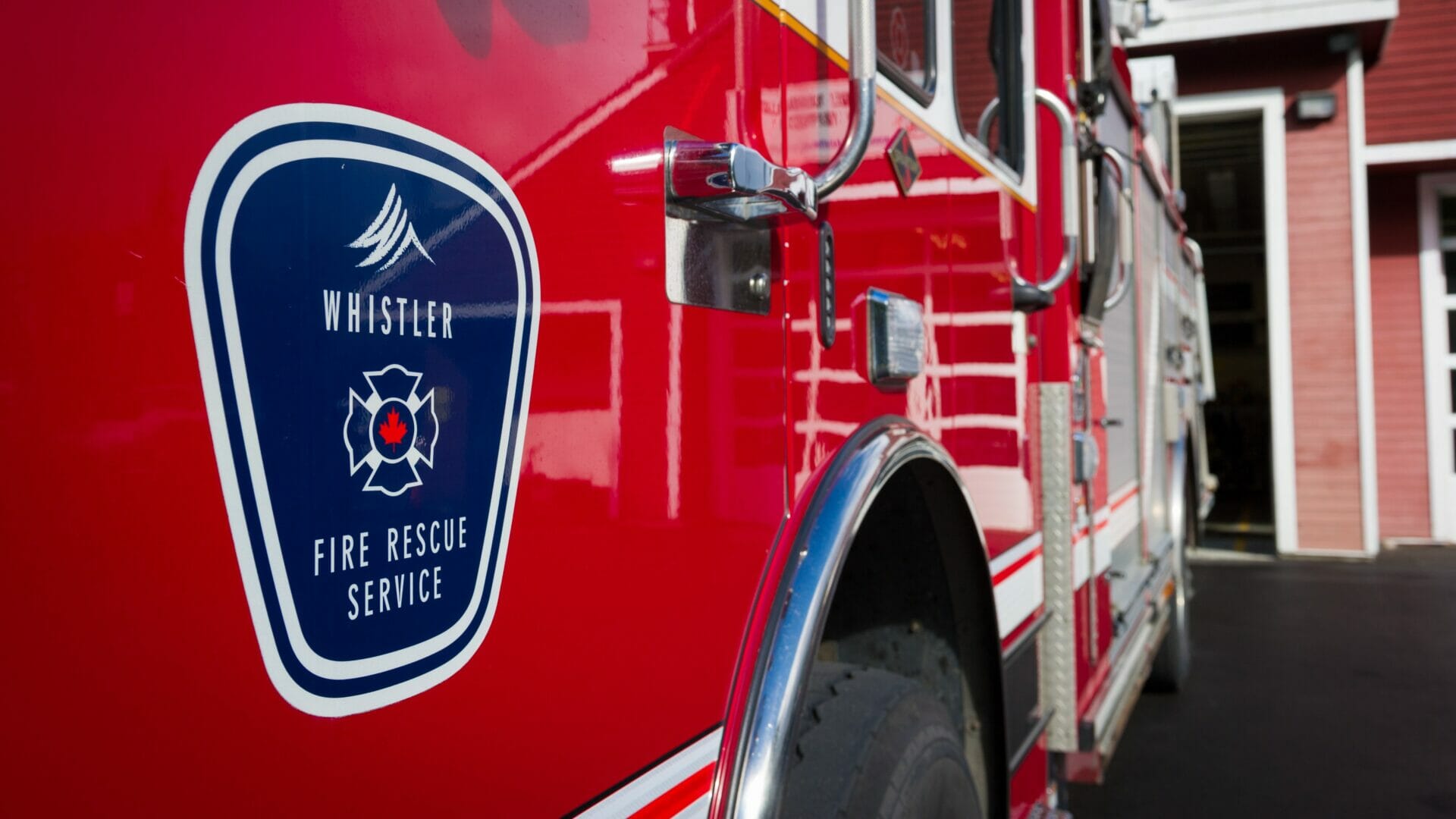
Providing around-the-clock protection and emergency response

Preventing and preparing for wildfires

Reducing fuel to prevent or slow wildfires

Learn about Whistler's wildlife and natural environment