
Looking to get caught up on the latest from Council? We’ve pulled together some key stories from the April 14 Regular Council meeting, including:
- Council redirects transit funds from fare-free summer weekends for discounted long-term passes
- Housing agreement gets first three readings for new employee housing project at 1100 Legacy Way
- Council proposes rates for property and parcel taxes, utility fees
For all the details, find council reports and video recordings of the full meetings at whistler.ca.
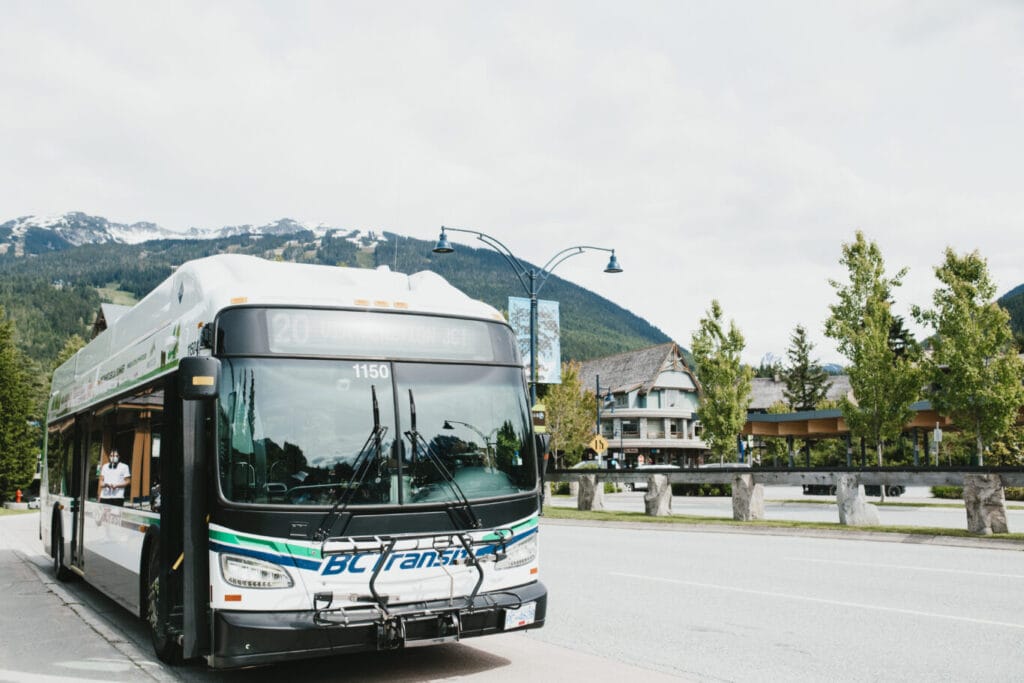
Council votes to redirect nearly $100K from fare-free summer weekend program for discounted long-term transit passes
At the April 14 meeting, Council voted to reduce the cost of six- and 12-month bus passes to make transit more affordable for locals.
Opting to end the fare-free summer weekend and holiday program introduced in 2017, Council will redirect $98,000 from the program to subsidize long-term bus passes. For adults, the six-month pass price will be reduced from $270 to $247.50 The 12-month pass will be reduced from $510 to $396. Those pass prices are now cheaper than parking passes – one of the goals of the new program.
Concession and Spirit passes will be reduced by a similar amount. For six months, the price will drop from $215 to $180. For 12 months, the pass price will be reduced from $410 to $288.
Both staff and Council felt discounting long-term passes had the greatest potential to incentivize transit use for Whistler residents – as well as the greatest impact on reducing emissions and meeting our Big Moves climate goals.
Also, with the integration of the Umo transit app, as well as a new credit-card tap system, making it easier for riders to pay their fare upon boarding, the fare-free option was viewed as less of an incentive than it once was. When the program was first introduced, weekend ridership reached a level that was 19 per cent higher than weekdays. Last year, weekend ridership was only five per cent higher than weekdays, suggesting the incentive value of fare-free weekends had waned. Improvements to service, particularly to the Route 10, have also led to more regular riders purchasing passes and travelling throughout the week.
At the same time, many locals have indicated they don’t buy longer-term passes because they can’t afford the upfront costs. Along with the discounted long-term passes, BC Transit’s ProPASS program offers discounted transit passes to staff of participating employers.
“This is good to see and it will be exciting to see what it does for ridership on our transit system,” said Mayor Jack Crompton.
Read the full report here.
Housing agreement sets proposed rental rates for 110-unit project in Cheakamus Crossing
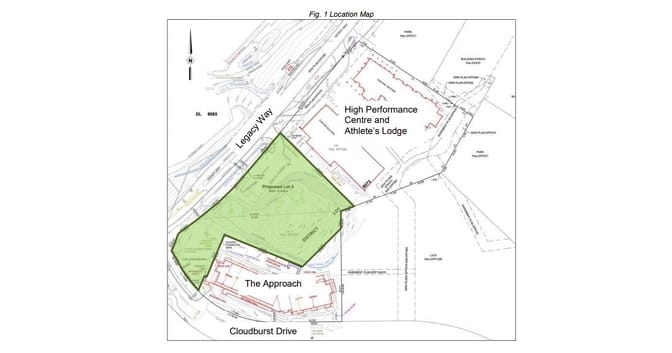
On April 14, Council gave first three readings to the Housing Agreement Bylaw for a new employee rental building slated for 1100 Legacy Way in Cheakamus Crossing, setting maximum rental rates for the 110-unit project, led by Whistler Sport Legacies (WSL). WSL sets their own rental rates based on their organizational needs, and, historically, most tenants for WSL pay less than the maximum approved rate.
Maximum initial rent for studio units is set at $2,100 per month, $2,450 for one-bedroom units, $3,400 for two-bedroom units, and $4,200 for three-bedroom units.
Priority for rentals will be given to WSL employees first, followed by essential service employees such as police and teachers, then Whistler employees referred by the Whistler Housing Authority, and finally other qualified local employees.
Council has already approved an associated rezoning application that combined two land parcels on behalf of the proponent. WSL has obtained a tentative approval letter from the municipality and has begun the process of obtaining funding from the Canadian Mortgage and Housing Corporation’s rental housing program.
Read the full report here.
Council proposes property and parcel tax rates, utility fees
After last year’s budget crunch and adoption of the Five-Year Financial Plan Bylaw, Council on April 14 gave first three readings to proposed property and parcel tax rates, as well as utility fees, for 2026.
Proposed increases are as follows:
- A 6.9-per-cent increase to Class 1 (residential), 5 (industrial), and 6 (commercial) property value taxes.
- A mill rate of 40 for property value taxes for Class 2 properties. That means Class 2 properties will be taxed $40 per $1,000 of assessed value.
- A mill rate for Class 8 recreational properties at 20 times the level applicable to Class 1 properties.
- A 10-per-cent increase to sewer parcel taxes and user fees.
- A nine-per-cent increase to water parcel taxes and user fees.
- A three-per-cent increase to solid waste parcel taxes and fees.
Property tax rates are set based on the municipal budget, which has increased significantly as the population grows, increasing the need for services and staffing.
The total assessment base for Whistler homes increased by $365 million in 2026, which essentially means the cumulative total of the homes, businesses, lots and other properties within Whistler increased in market value by that amount.
The increase that owners pay will be based on the increase in their assessed value. A home that increased in value by five per cent will see a slightly larger tax increase than a home that increased by two per cent. As a whole, the residential class will increase by an average of 6.9 per cent.
The Class 1, 5 and 6 increase of 6.9 per cent will raise an additional $4.5 million in funding for municipal services, and annual capital reserve contributions.
Councillor Cathy Jewett said it wasn’t easy to put together this proposed budget.
“We worked really hard to get to these numbers. There was a lot of work done before the New Year,” she said. “One of the presentations we had tonight was on one of the areas we tried to find savings in, the weekend transit, so this adoption — or first three readings — really represents months and months of work, months of public meetings, and a lot of effort to get feedback and reduce spending because we know we have a lot of rocks coming up.”
Property tax notices are mailed out in the third week of May and taxes are due on July 2.
Read the full report here.
To attend an upcoming meeting, check out the Council meeting Schedule. Agendas and Minutes are available online. To connect with Council, consider Borrowing a Councillor from the Library’s Unusual Items Collection, or get in touch with them individually by phone or email.