Looking to get caught up on the latest from Council? We’ve pulled together some key stories from the March 10 and 24 Regular Council meetings, including:
- Whistler RCMP present 2025 crime stats
- Council paves way for social, supportive housing in three Whistler neighbourhoods
- Municipal Lands Strategy to guide long-term planning on RMOW-owned lands
- New Works and Services Charges Bylaw ensures new development contributes fairly to Whistler’s growth costs
For all the details, find council reports and video recordings of the full meetings at whistler.ca.
Whistler RCMP present 2025 crime stats
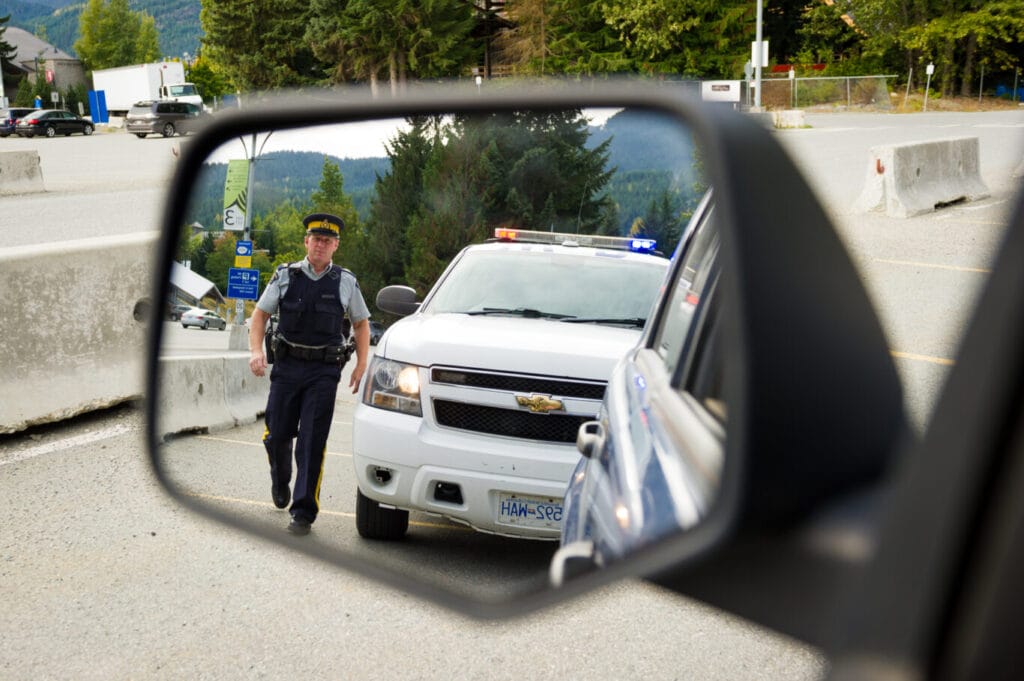
At the March 10 meeting, Whistler RCMP made its annual presentation to Council, sharing notable policing trends and major investigations from 2025.
Overall, calls for service to police increased by eight per cent last year. Violent crime rose by nearly three per cent in 2025, although that figure was 0.86 per cent below Whistler’s five-year average.
Property crime was down 21 per cent , although that was still 1.86 per cent higher than the community’s five-year average.
Officers conducted more than 14,000 roadside sobriety checks in the past year, resulting in multiple impaired drivers being removed from the road and numerous traffic violations issued.
Staff Sgt. Gareth Bradley, operations supervisor for the Whistler detachment, highlighted several notable files, including the arrest of an international fugitive in the fall after local police were contacted by an Ontario police agency for assistance. The suspect was wanted by Interpol for drug-trafficking offenses in Europe.
Another investigation saw officers attend a Whistler residence in December on an unrelated matter before observing two firearms that were improperly stored. This led to a search warrant and eventual seizure of more than two dozen firearms, including 12 handguns, six shotguns, six rifles, a flamethrower and approximately 8,500 rounds of ammunition.
Bradley also noted that Whistler RCMP investigated three child exploitation files in 2025. “These investigations typically begin when law enforcement receives information identifying an IP address associated with individuals downloading or sharing explicit material,” he explained. “These cases are highly complex and often require significant investigative time.”
Looking ahead, the Whistler RCMP is developing a new strategic plan — its first since 2022 — that is being targeted for rollout in 2027-28. Bradley said officers will also begin wearing body cams this fall.
Watch the full presentation here.
Council paves the way for social, supportive housing in Cheakamus, Alpine and Alta Vista
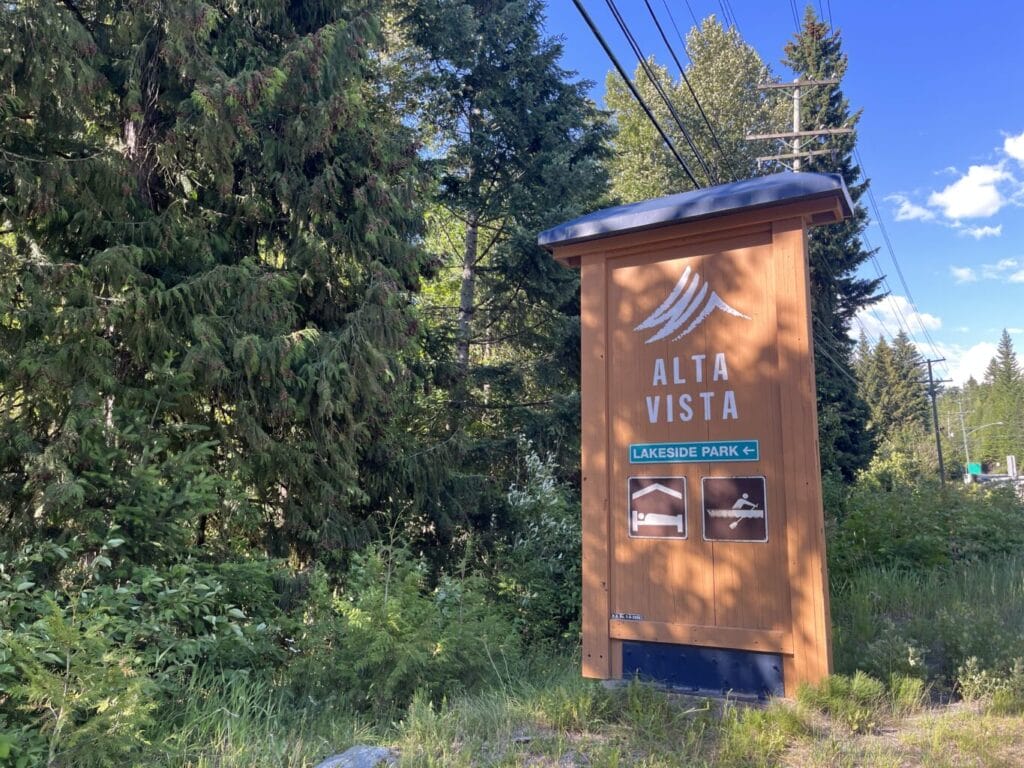
At the March 10 meeting, Council approved modifications to Whistler’s Community Land Bank Agreement (CLBA) and associated covenants to allow for social and supportive housing in three Whistler neighbourhoods.
In 2005, the RMOW formed the CLBA with the B.C. Government to designate specific areas of Crown land in Whistler to build the Athlete’s Village for the 2010 Olympic and Paralympic Games and to provide Whistler with lands for future affordable employee housing.
Modifying the CLBA and associated covenants allows social and supportive housing as a defined housing category on municipally owned lands in Lower Cheakamus Crossing, Alpine North and Alta Vista. While prospective developments will still need to go through the standard rezoning process, the move allows for a broader range of housing types aimed at low-income and vulnerable residents, which could include emergency shelter, transitional housing for those moving out of crisis and subsidized supportive housing with on-site supports for groups such as seniors, people with disabilities, and those at risk of homelessness.
The 2024 Vulnerable Populations Housing Needs Assessment Report (PDF) identified that, while the RMOW is doing well in facilitating the supply of non-market rental housing, it was lacking in supportive, transitional and emergency housing. Modifying Whistler’s CLBA provides an opportunity to leverage municipal lands for the delivery of these housing types.
Read the full report here.
Municipal Lands Strategy to guide long-term planning on RMOW-owned lands
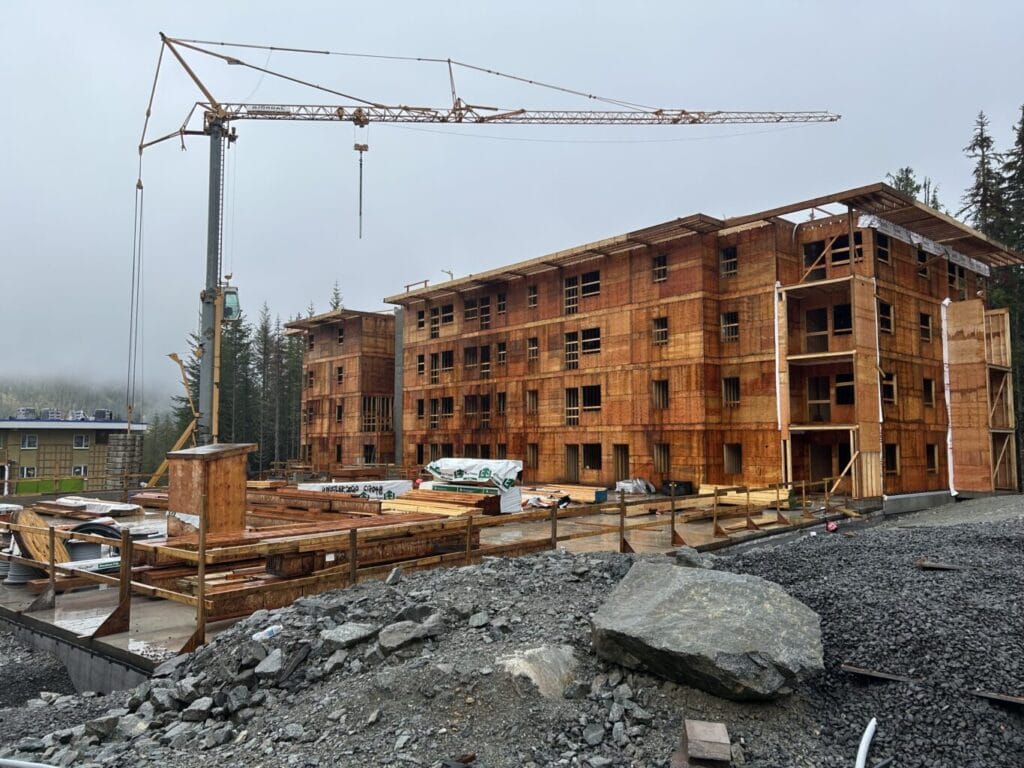
At the March 24 Council meeting, staff presented an overview of its Municipal Lands Strategy, which will help guide long-term planning and decision-making on municipally- owned land in Whistler.
The strategy was developed to guide how RMOW-owned lands are managed, prioritized and leveraged over the short-, medium- and long-term. It will establish the policy framework and evaluation tools needed to make those decisions in a transparent, consistent manner. Given Whistler’s projected growth, housing pressures, infrastructure requirements and fiscal realities, “a coordinated and principled approach to land management is both timely and necessary,” the report explained.
The strategy is also a key commitment under the RMOW’s Housing Accelerator Fund Action Plan with the Canada Mortgage and Housing Corporation.
Read the full report here.
New Works and Services Bylaw ensures new development contributes fairly to Whistler’s growth costs
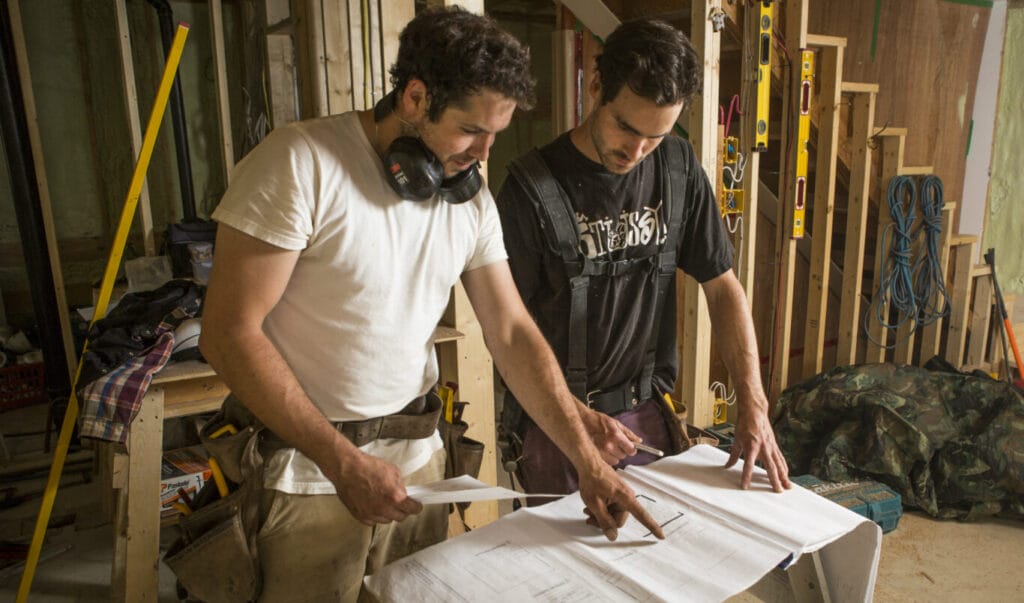
At the March 24 meeting, Council adopted a new Works and Services Charges Bylaw that will ensure new development contributes financially to the costs of municipal services and infrastructure required to support Whistler’s future growth.
Development charges in Whistler’s previous Works and Services Bylaws had not been updated in 25 years, making them out of step with similar communities and inadequate to properly fund projected capital infrastructure costs associated with the community’s long-term growth.
Under the new bylaw, charges will be based on building size instead of parcel size. The scope of charges has also expanded, with charges applied to two new service categories – transit and parks – alongside water, sewer and transportation.
The updated bylaw is anticipated to generate approximately $64 million over the next 20 years, an average of $3.2 million annually towards the infrastructure costs linked to projected community growth. Over the past 25 years, the previous Works and Services Bylaws generated an average of $1.5 million per year, with cumulative revenue over that period reaching approximately $39 million.
Read the full report here.
To attend an upcoming meeting, check out the Council meeting Schedule. Agendas and Minutes are available online. To connect with Council, consider Borrowing a Councillor from the Library’s Unusual Items Collection, or get in touch with them individually by phone or email.