
Looking to get caught up on the latest from Council? We’ve pulled together some key stories from the February 24 Regular Council meeting, including:
- An update on Whistler’s Smart Tourism Initiative
- A report on the Union of B.C. Municipalities’ Community Resiliency wildfire grant
- Update on 1100 Legacy Way housing project by Whistler Sport Legacies
- Cheakamus Crossing Lot 6 employee housing project plans
For all the details, find council reports and video recordings of the full meetings at whistler.ca.
Progress continuing on Smart Tourism initiative
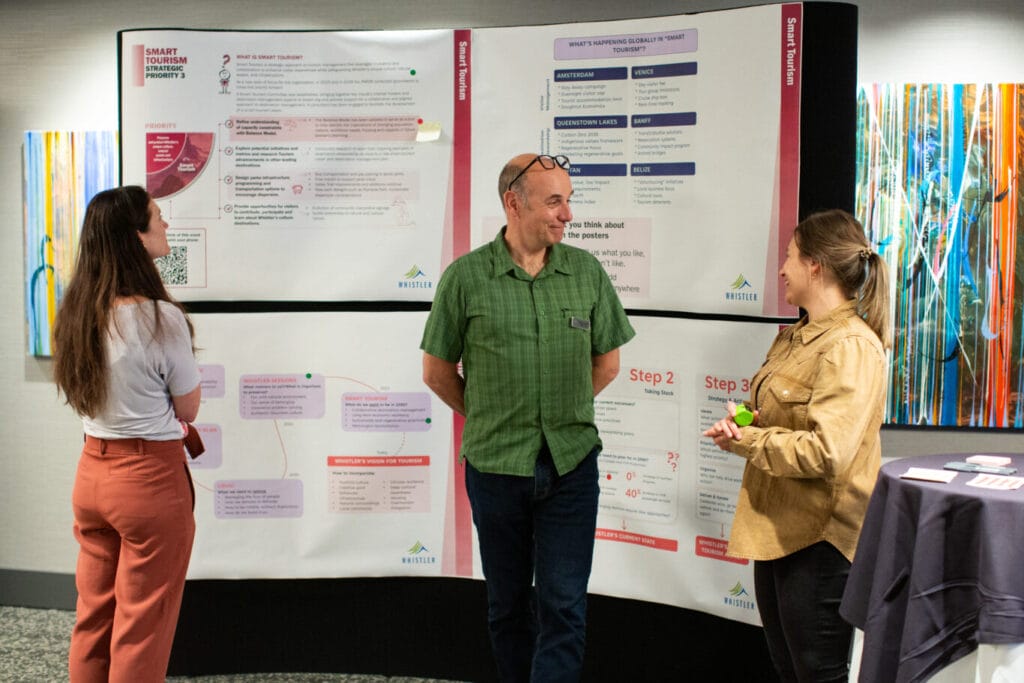
Municipal staff provided an update on the RMOW’s Smart Tourism Initiative, as well as outlining next steps, related to one of Council’s core priorities at the February 24 Regular Council meeting.
In May 2025, the draft Smart Tourism Vision was released for input, inviting the community to envision Whistler’s ideal tourism future in the year 2050. The Vision, co-created with the Smart Tourism Committee, frames tourism as a force for good and as a means of preserving what makes Whistler special as a thriving, year-round resort community.
Public engagement was a core component of this phase and included a survey with strong participation, alongside Add Your Voice events and targeted group engagement.
Some of the focus areas that emerged from the engagement included:
- All-weather resort: Ensuring that Whistler meets resident and visitor needs with more activities and attractions that are not weather dependent, while still celebrating Whistler’s appeal as a great place to live and visit regardless of the weather. The goal is to ensure the resort itself is resilient to disruptions such as climate variability, pandemics, economic downturns, and other factors.
- Mountain culture: Ensuring core mountain culture is respected, celebrated and remains authentic.
- Transportation: Providing better transportation options to and from the resort, as well as within the resort itself. This would help reduce traffic and parking impacts for both residents and visitors. One example of how this is already working is Whistler Blackcomb’s reserved parking system and dedicated spots for vehicles with four or more occupants to encourage ridesharing.
- Technology: Using technology to achieve a better tourism balance in Whistler, including improving visitor flow and communication opportunities, as well as adapting to a shifting technological environment without compromising our community values.
Other goals for 2026 include continuing the work started by the Smart Tourism subcommittees and then recruiting the right subcommittee members to take part in those meetings and planning sessions.
“We want to learn from our past, but also make sure we’re approaching tourism as a forward-looking initiative, making sure we’re building momentum,” said Richard Kemble, the RMOW’s economic development officer.
Kemble noted the engagement demonstrated future committee work needs to live in the community, so everyone is aware and involved, rather than being delivered top-down. One insight was that Whistler is so well established it can be difficult to make changes.
“There was a lot of feeling of being constrained by [being] a mature destination; Whistler has had years of success and, with that, come some challenges,” he said. “We wanted to make sure that through this process we’re reclaiming creativity and that maverick-ness that makes Whistler Whistler, to make sure that people are empowered to feel creative, suggest new ideas and be bold with the way that we approach this.”
The focus for 2026 will be developing a stewardship framework for Smart Tourism, which would include specific policies and investments to achieve goals as recommended by the community and resort partners.
Read the full report here.
Council approves development permit for six-storey employee housing project
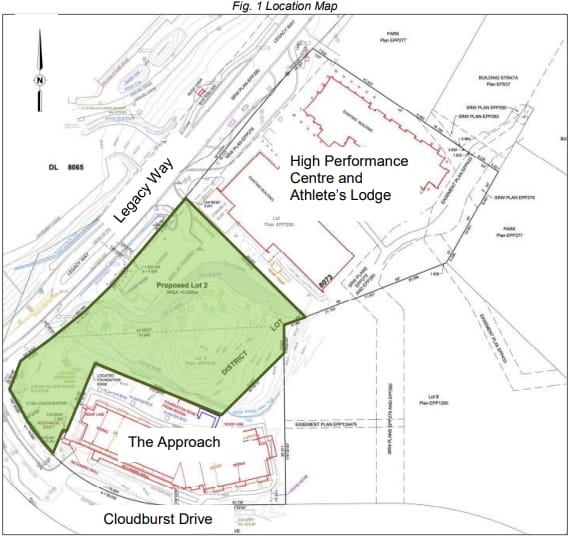
At the February 24 regular meeting, Whistler Council unanimously approved a development permit for a six-storey employee rental housing building at 1100 Legacy Way in Cheakamus Crossing.
Led by Whistler Sport Legacies (WSL), the project will include 110 affordable employee-restricted units. Nearly 400 square metres of auxiliary space is also proposed to be used for “community-serving purposes” such as a community centre or childcare facility, according to a report.
With Council voting in favour of the updated project plan and the development permit, work can begin this year.
“Whistler Sport Legacies is a quiet giant on housing,” said Mayor Jack Crompton. “They are housing essential workers, they are coming through with creative solutions for Whistlerites with unique housing requirements, and they keep coming back with projects that address very real community needs. I am glad that the board and leadership at Whistler Sport Legacies decided to think big here. This project will house a lot of people.”
Read the full report here.
Cheakamus Lot 6 housing to get municipal help with servicing and development plans

At the February 24 meeting, Council endorsed the Whistler 2020 Development Corporation’s (WDC) preliminary plan to undertake site work at Lot 6 in Cheakamus Crossing this season and directed staff to return to Council this spring with recommendations for alternative municipally owned, shovel-ready development parcels.
In December, the WDC presented a preliminary servicing and development plan that proposed early site work on Lot 6, the only remaining undeveloped lot in Cheakamus Crossing Phase 2, and a potential development plan accommodating up to 300 new units.
Council also directed staff to begin identifying and prioritizing other municipally owned land that could be used to build employee-restricted housing.
Councillor Cathy Jewett opposed starting the site alteration work until other sites can be identified and prioritized, recommending Council wait until those sites are presented in April.
Councillors Jen Ford and Ralph Forsyth said that, regardless of other opportunities, Lot 6 will be developed eventually and that work should move forward to take advantage of the building season.
“Let’s look back to 2014: it wasn’t until 2017 until we started building again. Let’s not do that; let’s keep building,” said Ford.
Councillor Arthur DeJong also agreed, noting that persistent demand for housing likely means that multiple sites will need to be developed — including Lot 6. “The moment you stall is the moment you start losing efficiency and costs rise,” he said.
Read the full report here.
Council endorses UBCM wildfire grant application
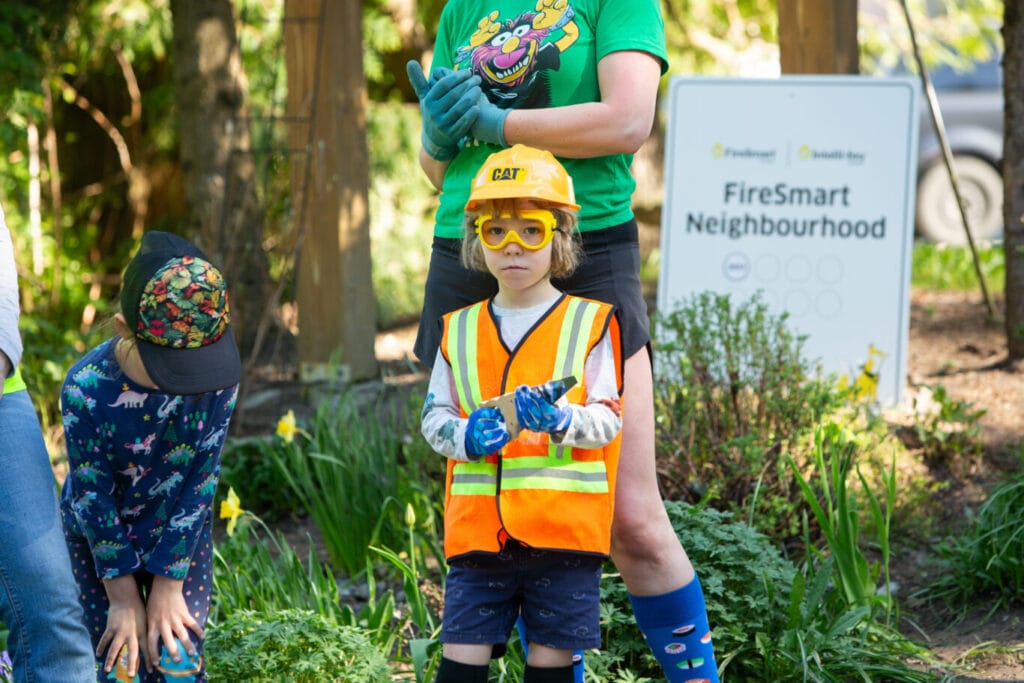
As Whistler heads into another wildfire season, Council endorsed an application to the Union of B.C. Municipalities (UBCM) Community Resiliency Fund for $400,000 in FireSmart funding over the next two years.
To qualify for the grants, communities must meet FireSmart community guidelines with staffing and plans in place to mitigate wildfire risks. They also have to be considered higher risk, with FireSmart Supervisor Michel Brew noting that Whistler is classified as a 2 on the ranking scale – the second-highest risk profile for communities and districts. The value of assessed land and improvements within Whistler across all property classes in the community is also significant, calculated at roughly $40 billion.
The grant would help fund mitigation work with local landowners to help manage fire risks on their properties.
“This is so critical,” Councillor Arthur DeJong said. “We’ve got budget pressures and again, this catastrophic fire issue on our shoulders, but I’ve had a lot of compliments from a lot of stratas on the chipping program and the consistency of it. A number of them have gotten into the habit of removing woody debris through the summers, so it has been a great reinforcement.”
Read the full report here. Book your free FireSmart home assessment here.
To attend an upcoming meeting, check out the Council meeting Schedule. Agendas and Minutes are available online. To connect with Council, consider Borrowing a Councillor from the Library’s Unusual Items Collection, or get in touch with them individually by phone or email.