
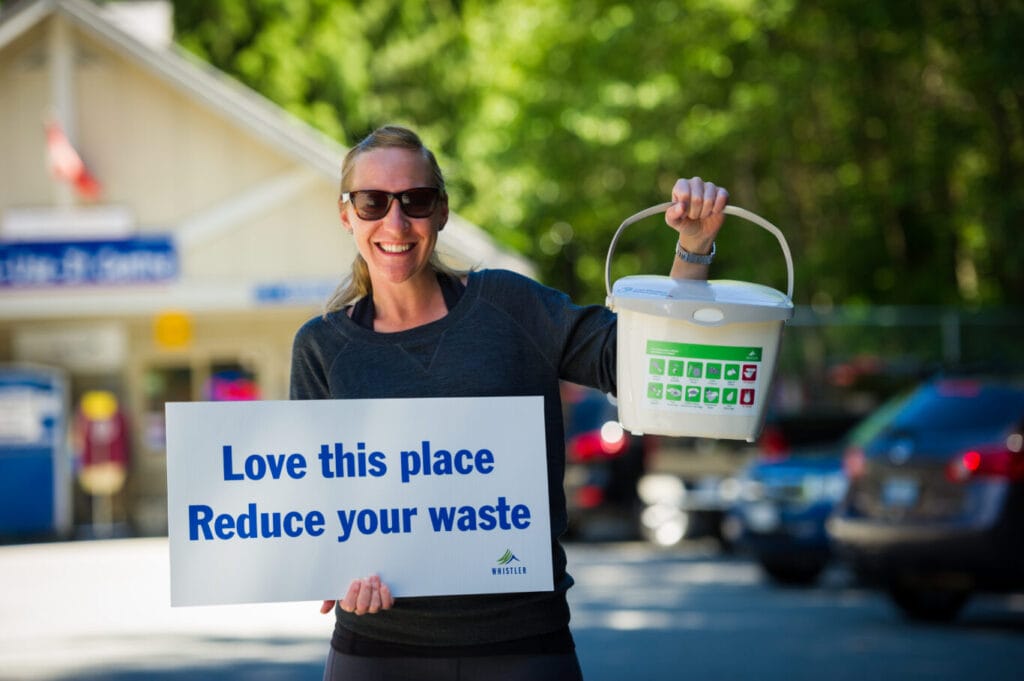
Food Waste Action Week (March 9 to 15, 2026) encourages you to reduce food waste through a few simple, practical actions.
We invite Whistler to take small steps that save food, cut waste and protect our environment. The week is a national awareness campaign led by Love Food Hate Waste (LFHW).
Why food waste matters
The average Canadian household throws away around $1,300 worth of food each year. In Whistler, food waste makes up more than a quarter of everything residents throw away.
The latest residential waste composition study shows that around 18 per cent of what Whistler households throw away is avoidable food waste – meaning food that was once edible but wasn’t eaten in time.
Food waste at home falls into two types:
- Avoidable food waste: edible food that wasn’t eaten (leftovers, spoiled produce, forgotten ingredients).
- Unavoidable food waste: inedible parts like bones, eggshells, coffee grounds and peels.
Significant resources, including land, water and energy, are needed to grow, process, package and transport food to our grocery stores. When we waste food, we waste these resources too.
How food is wasted
Across Canada, nearly half of the food thrown away is fruits and vegetables – often because it wasn’t stored properly. For example, potatoes last longer in a cool, dark, well-ventilated space, while cut carrots can be stored submerged in water in the fridge to keep them crisp. For practical tips on making food last longer, visit Love Food Hate Waste Canada’s “Keep It Fresh” storage guide.
Confusion over date labels is another major reason people waste food. Almost a quarter of food waste in Canada happens due to misunderstanding “best-before” dates. A best-before date refers to quality — when food is at its peak freshness and flavour — not safety. “Use-by” dates, on the other hand, indicate food safety and should always be followed.
Try LFHW’s “Use It Up” recipe generator to turn leftovers into something new.
Compost what’s left
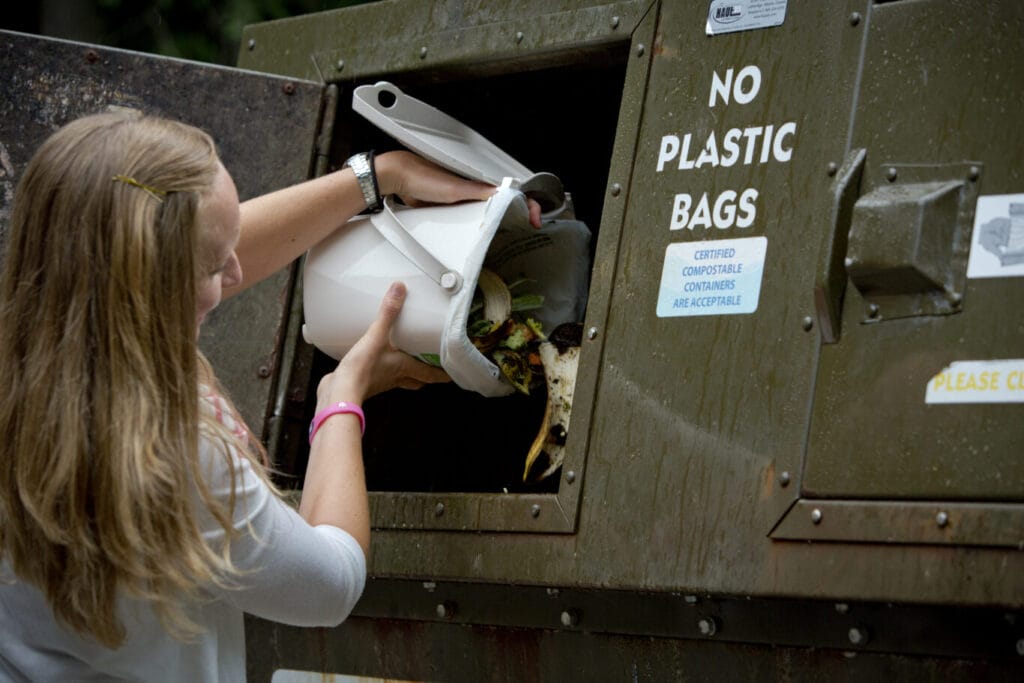
Some food waste is unavoidable, such as eggshells, bones and inedible peels. In Whistler, these items make up just 7.7 per cent of residential waste. While certain scraps can be repurposed (for example, bones for broth), eventually they’ll need to be composted.
Avoid throwing food scraps in the garbage: because food waste is typically heavy, it adds to the hauling and disposal tip fee costs. Even worse, when food breaks down in the landfill without oxygen, it releases methane – a powerful greenhouse gas.
When composted, food waste is transformed locally into a nutrient-rich soil enhancer used for landscaping, gardening and growing more food.
To keep Whistler’s compost system working effectively, it’s important to know what belongs in the bin.
You can compost:
- all food scraps
- bones and eggshells
- coffee grounds
- small amounts of cooking oil absorbed into a paper towel or newspaper
Please keep out:
- all plastics and packaging
- produce stickers
- twist ties from leafy greens
- bread bag clips
Small plastic items can break up into smaller microplastics and contaminate compost. For a quick visual reference, download AWARE’s Compost Guide (A4) (PDF) to see what can and can’t go in your bin.
While unavoidable scraps should always be composted, reducing avoidable food waste at home is the most effective way residents can cut waste and save money.
Food Waste Action Week events in Whistler and other ways to get involved
Drop by the Whistler Public Library lobby from March 9 to 13 and try the family-friendly food-saving game! Can you guess the best way to store your food to keep it fresh longer?
Our Zero Waste Coordinator will be in the library lobby on Monday, March 9 – stop by to say hello and for a chance to win a kitchen food waste bin!
If you need a kitchen compost caddy to get started at home, you can also email zerowaste@whistler.ca to arrange a pickup from Municipal Hall.
Find more information on composting in Whistler here.
Learn more and stay inspired by following us on social media. Subscribe to our newsletter here for weekly Zero Waste Tips!
Note: This article focuses specifically on food waste generated at home by Whistler residents. While restaurants, grocery stores and hotels also produce food waste, the statistics and tips included relate to household food waste and the actions residents can take in their own kitchens.