
Looking to get caught up on the latest from Council? We’ve pulled together some key stories from the November 4, 2025 Committee of the Whole and Regular Council meeting, including:
- Council gets first look at the 2026 draft operating budget
- Public feedback on proposed Works and Services development fees update
- RMOW to request write-off of uncollectible taxes
For all the details, find council reports and video recordings of the full meetings at whistler.ca.
Council gets first look at 2026 draft operating budget

At the November 4 Committee of the Whole meeting, Whistler Council got its first official look at the 2026 draft operating budget, where staff set the proposed property tax rate for next year.
Funding municipal services and programs, including policing, emergency management, staff payroll, and more, the proposed 2026 operating budget totals roughly $114 million.
Staff are proposing an 8.6-per-cent property tax increase for 2026, as municipalities across Canada continue to face significant financial pressures.
Click here to view the full report. The 2026 draft projects budget was presented at the November 18 Committee of the Whole meeting. Council will begin weighing in with input at the December 2 Council meeting.
Learn more about the 2026 budget here, and the overall budget process here.
Council weighs public feedback on Works and Services bylaw update
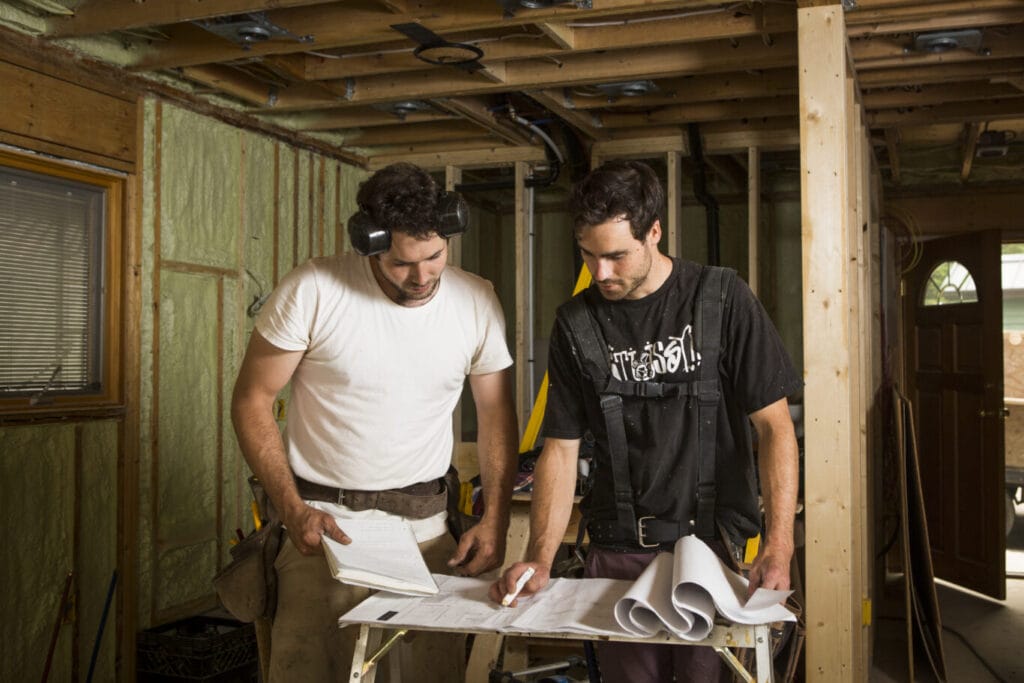
Public feedback on proposed changes to our Works and Services fees was generally in favour of having new developments contribute equitably to the cost of municipal services and infrastructure required to support that development in the future.
Following a “growth-pays-for-growth” principle, the proposed bylaw amendment would, if approved, see development charge rates in line with other comparable communities. Staff also recommended exempting new employee housing developments from the employee housing charge portion of the updated fees.
Overall, key feedback included:
- People did not want to see their property taxes increase to pay for infrastructure for new developments, even if it reduced the cost of new development.
- Respondents generally agreed with the idea that development charge rates should reflect building size, with larger developments contributing more.
- There was also support for extending employee housing charges to new residential developments, provided that the approach remains fair and proportional. Suggestions included exploring incentives or credits for secondary suites to encourage more affordable housing options.
- Respondents requested more clarity around how works and services charges are calculated for developers and buyers, as well as more clarity in how they apply to new projects, redevelopments, building additions, auxiliary units, and so on. In the case of redevelopment and renovations, staff recommended that charges only apply if a building’s footprint expands.
Developers also wanted to see more clarity on how bylaw changes would affect current project applications, as well as consideration of deferred payment deadlines for charges to reduce the strain on developers and the costs that will be passed onto buyers.
If approved, the Works and Services Charges Bylaw is expected to generate $65 million over the next 20 years, as the population is forecast to grow from around 16,000 to 22,000.
Mayor Jack Crompton hopes the bylaw update will consider suggestions to provide more clarity to the cost per unit, as well as the deferment of fee payments — if provincial legislation allows it.
“I love the simplification work you’re doing; I think we should apply that approach to everything we do,” he said.
Community input was collected from six targeted meetings and events with Whistler builders, as well as a public forum, an online survey, and discussions with the Whistler Housing Authority, the Whistler Development Corporation, the One Whistler, community housing organizations, and the Sea to Sky chapter of the Canadian Home Builders Association.
The updated Works and Services bylaw will be presented to Council on December 2.
Read the full report here.
Council to request write-off of uncollectible property taxes
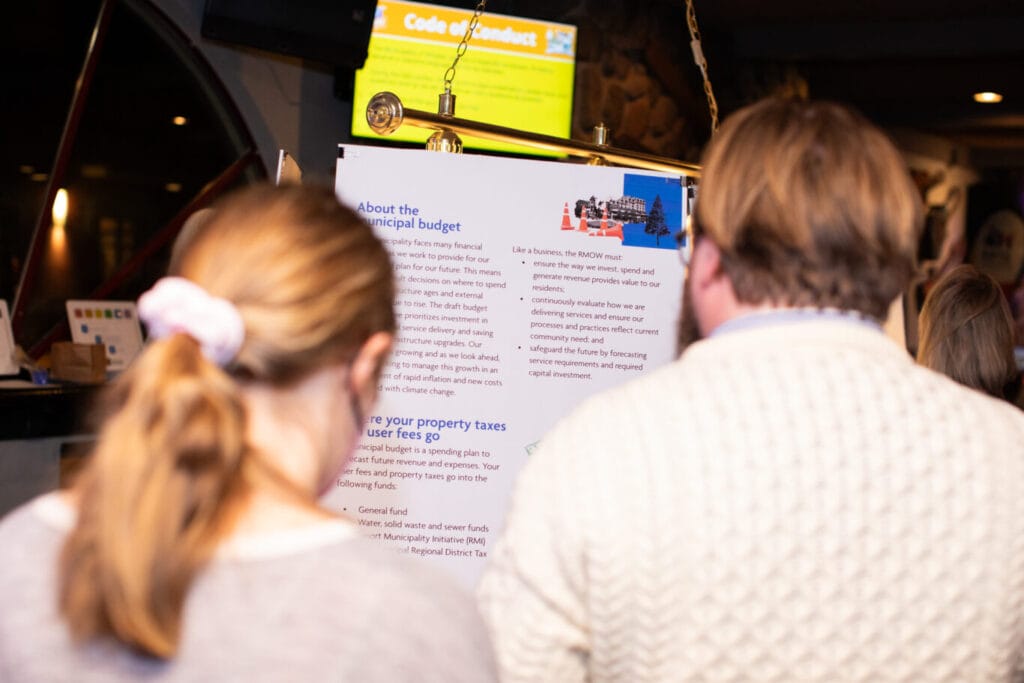
While B.C. municipalities are bound by the province to collect property taxes, they can request a Minister’s Order to write off taxes considered to be “uncollectible” for various reasons, Council heard in a report at the November 4 meeting.
This year, Council will request an order to write off a total of $26,166 in uncollected taxes, which consists of $11,985 in municipal taxes and utility user fees, $6,186 in taxes to other taxing authorities, and $7,995 in penalties and interest.
All four properties in question are related to occupants on Crown or municipal lands. For example, one parcel of land was leased for a cell tower that was removed in 2021. Another property was a backcountry lease to a snowmobile operator that was assessed incorrectly.
After reviewing the amounts owed, Council unanimously approved submitting the request to the province. If approved, the amounts owing will be removed from the financial records of Whistler and other taxing authorities.
View the full report here.
To attend an upcoming meeting, check out the Council meeting Schedule. Agendas and Minutes are available online. To connect with Council, consider Borrowing a Councillor from the Library’s Unusual Items Collection, or get in touch with them individually by phone or email.